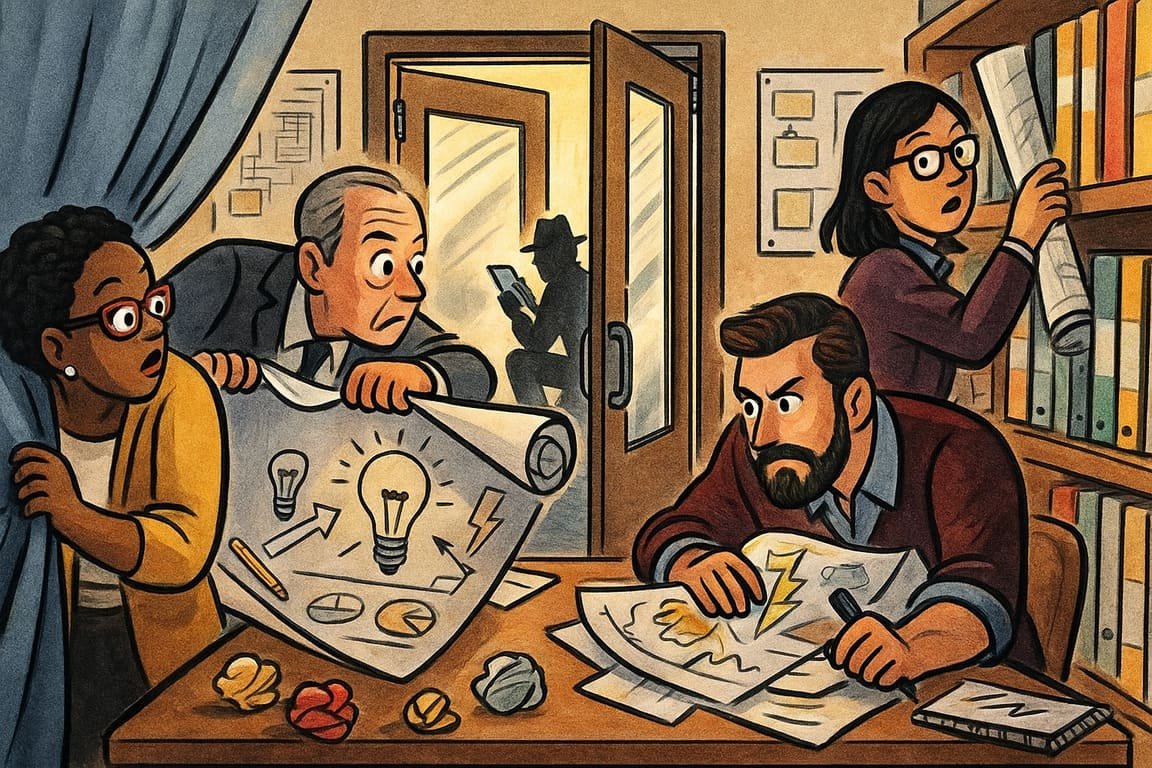
Spotlights sweep across the polished floors of a bustling design expo, catching glimpses of whispered conversations behind velvet ropes. Everywhere, brands compete for a fleeting spark of attention, unveiling their glossiest mockups and polished prototypes. Yet the true action unfolds in quiet corners, where seasoned pros lean in, trading secrets far more valuable than any feature reveal. These are not the tricks found in textbooks or chirped about in workshops. These are the unspoken rituals, honed through failure and midnight breakthroughs, that set true experts apart from the crowd. The real design magic hides in the details nobody posts on Instagram.
It is the invisible craft, the deliberate shortcuts that save hours when deadlines snap like twigs. Designers who have been through enough launches learn to build their projects with escape routes—hidden layers, reusable components, a palette of go-to color schemes ready to swap in when a client changes their mind at the last minute. What gets shown to the world is the tip of the iceberg. Below the surface are hundreds of tiny edits, each born from a near-disaster.
In the studios of big names and small independents alike, the air is thick with stories. You can hear one team laughing about the time they patched a crashing interface by moving a single button. You will find a creative director who quietly admits that the most celebrated campaign in their portfolio started as a rejected pitch for dog food packaging. The best designers do not wait for perfect briefs. They know how to pivot, salvage, and transform constraints into signature moves.
You can spot the experts by how quickly they kill their darlings. While amateurs cling to precious ideas, the pros slash, redraw, and adapt without a flicker of ego. They do not fear critique—they court it, seeking sharp opinions to catch flaws before users ever notice. A freelance designer named Li shared her secret during a late-night call: “The trick is to assume you are wrong and test every assumption. Let the work prove itself.”
Many outsiders picture experts as lone geniuses, but the reality is more communal. The world’s most original designs are crowdsourced within tight circles of trust—tiny design teams swapping screenshots in private chats, old friends giving feedback over lunch, or a trusted mentor who knows exactly when to say, “Try again.” Behind every “overnight success” is a village of invisible hands.
What experts hide most fiercely is the messiness of their process. The myth of effortless genius serves only to intimidate beginners. In truth, the brightest work emerges from chaos: folders brimming with unused sketches, mood boards that contradict themselves, Post-its fluttering like moths around a desk lamp. An expert’s space rarely looks organized, but every scrap is a breadcrumb leading to the final piece.
For those searching for shortcuts, here is another secret: experts spend far less time on trends than you might expect. The flashiest features rarely matter in the end. A minimalist logo that sticks in your mind or a color scheme that feels like home—these are the silent signals that endure. A UX consultant named Hana once confessed that her most successful app screens came from ignoring the “design of the week” and focusing on solving her mother’s actual problems using her phone.
Beneath the surface, experts are relentless experimenters. They test five versions for every one that goes live. When a brand like Happy Spoon Café switched to a sun-yellow accent for its menus, it was not a whim but the end result of dozens of tests—half the team doubted it, but foot traffic proved them right. The secret is patience: letting the data guide the design, even when intuition says otherwise.
Even the best keep a toolkit of “failsafes”—a handful of trusted typefaces, a folder of background textures, a color swatch they know will not clash, a backup illustration style for when the main concept falls flat. The pros always have a Plan B, and sometimes a Plan C, tucked away where only they can find it.
What you do not see in portfolio sites are the late nights spent redrawing the same line until it finally feels right, or the emails sent to mentors begging for feedback on a stubborn layout. Behind every smooth user flow, there is a graveyard of abandoned experiments and hard-fought wisdom earned from work that never made it out the door.
In the end, the best-kept secret is humility. Pros understand the difference between what looks impressive and what works in the wild. They trust feedback, honor their own process, and know that behind every “secret” is just one more lesson learned the hard way.
In the dim afterglow of the expo, one expert lingers by an empty table, hands tracing the ghostly outline of a discarded prototype. The crowd is gone, but the weight of unspoken lessons still hovers in the air. Here, among the overlooked and unfinished, the real treasures wait. The expert does not look triumphant, but patient—aware that tomorrow brings new puzzles, fresh messes, and the chance to start again.
Somewhere in the silence, a spark leaps from a half-formed idea. In that quiet, anyone can find a secret worth keeping, or better yet, worth sharing. Now the story passes to you: What will you do with the truth, now that you see how the pros really work?
