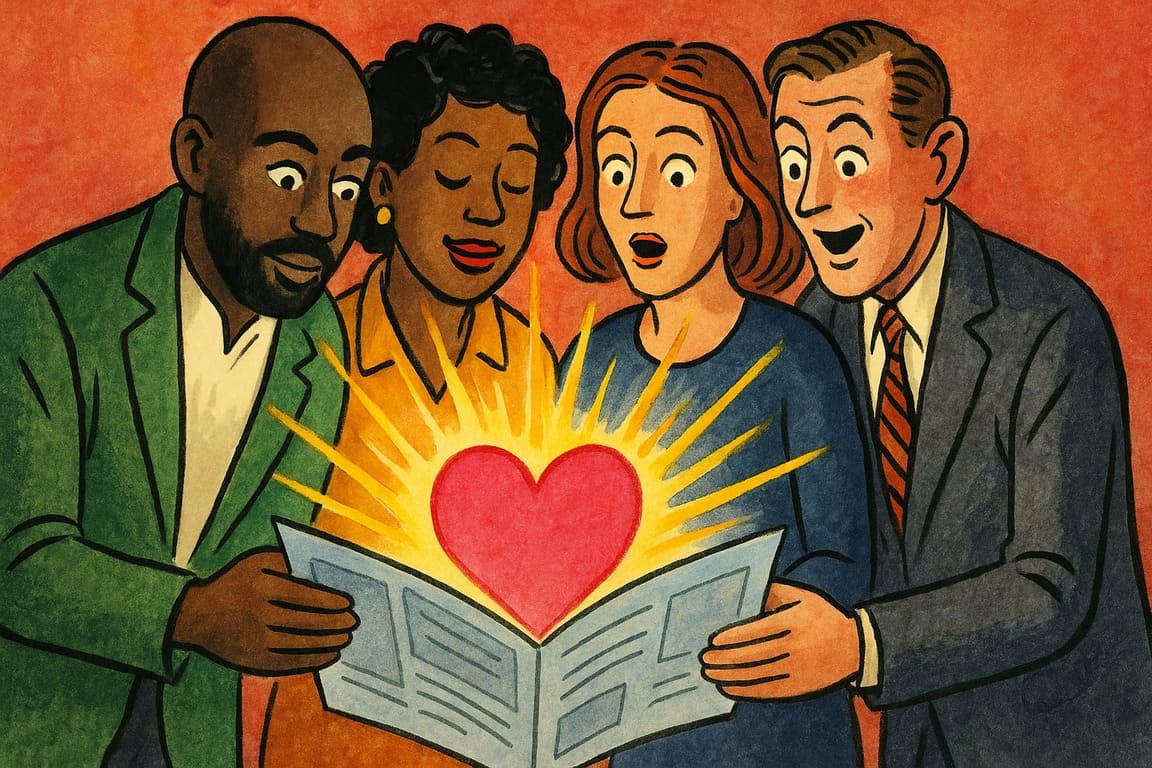
Late at night, a single light burns in the office of a campaign strategist. An array of brochures fans across the table, each shimmering with bold colors, tactile finishes, and punchy headlines. Outside, city life hums, but inside, the quiet battle for attention has begun. Gone are the days when brochures were mere afterthoughts. Now, each fold and crease carries the potential to sway an election, ignite a brand, or seal a deal before a word is spoken. The new era of brochure design is not about paper—it’s about emotional velocity, split-second persuasion, and campaigns that grip the heart before the head even catches up.
Designers today know the high stakes. Brochures serve as the handshake before the meeting, the wink before the speech, the memory that lingers long after the pitch. Smart campaigns leverage this by treating every tri-fold and glossy rectangle as a living story. You don’t just pick up a brochure—you step into a narrative. Brands that get this right win loyalty in seconds, not years.
Modern brochure design borrows from theater. Take the case of Elevate Fitness, a boutique gym that transformed its fortunes by abandoning generic flyers in favor of immersive, story-driven booklets. Their designer, Samir Patel, imagined each page as a stage set. The opening image—a woman pausing at sunrise, sweat sparkling on her brow—drew readers into a world of motion and possibility. Memberships spiked, not because of discounts, but because people saw themselves inside the story.
Emotion fuels engagement. A powerful brochure harnesses color psychology, texture, and even scent. Political campaigns now use embedded aromas and tactile coatings to reinforce memory. In one mayoral race, strategist Rachel Quintero deployed brochures scented with fresh grass to evoke renewal. Voters held onto them longer, and polling showed a subtle shift in brand recall. This attention to sensory detail is the future of instant persuasion.
Visual hierarchy matters more than ever. The old wall of text has vanished. Instead, impactful headlines, microcopy, and dynamic layouts guide the reader’s eye. The design agency BrightSpark used asymmetrical grids and interactive folds for an art gallery campaign, boosting visitor turnout by turning every brochure into a mini adventure. The lesson? People crave surprise and delight, even in something as humble as a piece of paper.
Personalization has become the ace up every marketer’s sleeve. Tech-savvy designers can now produce micro-runs of hyper-targeted brochures, with names, photos, and offers tailored to each recipient. The nonprofit HealCo launched a health awareness blitz by dropping personalized brochures at apartment doors, complete with residents’ first names. Their phones rang for weeks. It wasn’t magic—just thoughtful design.
Storytelling wins campaigns, not bullet points. A car dealership once relied on spec sheets and price lists. That changed when they started featuring real owners’ stories, complete with candid portraits and handwritten testimonials. One page told of a single mother named Lydia, whose car became a lifeline for her family. Sales soared as readers connected emotionally, not just rationally.
Interactive elements are quietly reshaping the landscape. QR codes, augmented reality triggers, and pop-up tabs bridge print and digital worlds. A university used brochures with peel-away panels that revealed scholarship codes, leading to a 40 percent spike in applications. Readers want to touch, explore, and discover—brochures must invite participation, not passive scanning.
Campaigns are increasingly judged on first impressions. This means fonts, paperweight, and binding are strategic choices, not afterthoughts. The legendary designer Kiara Dunne once insisted that “a brochure’s spine is the backbone of trust.” She led a rebranding for a social enterprise by using bold, stitched bindings that conveyed resilience. Donors responded with unprecedented generosity, linking the tactile experience to organizational credibility.
Brochure design is also about discipline. Knowing what to leave out is as important as what to include. Minimalism, when done right, amplifies focus and leaves space for imagination. The tech startup Looped used vast white space, sparse copy, and a single image of a winding road to invite users into the unknown. Their brand became synonymous with clarity in a world choked by noise.
Sustainability plays a growing role. Eco-friendly papers, vegetable inks, and digital hybrid solutions show audiences that a brand is future-minded. One green energy firm sent out seed-paper brochures that could be planted after reading. Recipients shared photos of sprouting wildflowers, creating a viral loop of brand goodwill and ecological action.
Collaboration defines the best campaigns. Designers, writers, strategists, and even end-users co-create the message. When a luxury spa chain expanded across Europe, they hosted workshops where clients folded, sketched, and critiqued mockups. The resulting brochures felt deeply personal, a mosaic of many voices. Loyalty increased, and social media engagement exploded as customers proudly displayed their custom creations.
The human face remains unbeatable. Brochures that feature real people—employees, customers, founders—forge trust and spark empathy. During a high-stakes nonprofit campaign, designer Diego Morales filled every page with the eyes of local children and nurses. Donations doubled, fueled not by statistics, but by the authentic connection between reader and subject.
When the last brochure is closed, and fingertips brush over the final fold, the room feels charged. Campaigns are won or lost in the silent pause that follows, as the heart decides before the mind can object. In that instant, trust is built, dreams are sold, and futures are quietly rewritten. Somewhere, a hand hovers before reopening the cover, unable to let go of the feeling inside. You are holding more than paper—you are holding a story that just might change your world.
