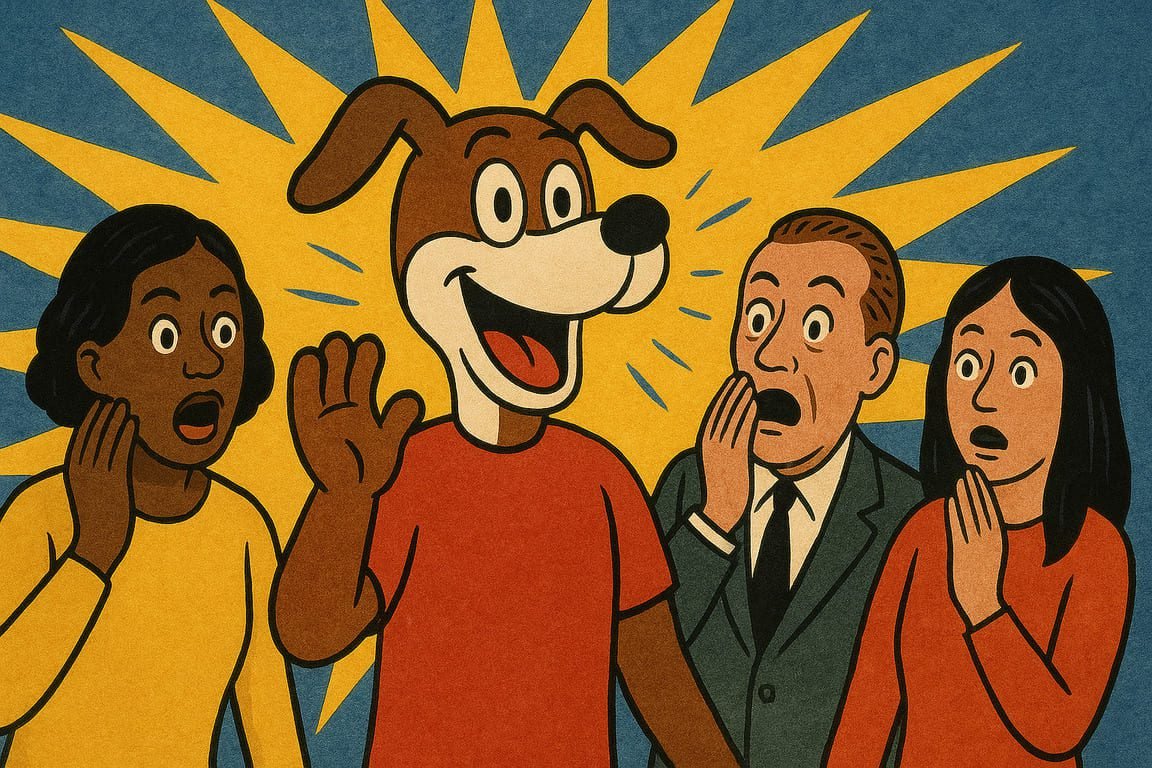
On a rainy afternoon in the heart of a crowded metropolis, a street vendor in a cartoon lion suit spins in circles, waving at children and adults alike. Traffic slows, umbrellas tilt, and for a moment, even the city’s rhythm bends to the energy of this playful spectacle. High above, digital billboards flash familiar mascots—smiling tigers, sassy penguins, robots with light-up eyes—each one stamped into public memory like a favorite childhood song. This isn’t just marketing. It’s identity alchemy. Every mascot is a shortcut to brand recall, firing neurons and unlocking trust with the precision of a master hypnotist.
One shop owner, desperate to revive a dying bakery, commissions a local artist to design a quirky owl mascot with oversized glasses. Within weeks, children drag parents across the street just to high-five the giant owl perched outside. Social feeds flood with selfies. The bakery’s receipts double. Local media runs a story: “The Owl That Saved Maple Lane.” What started as a survival tactic becomes a legend, proving that mascots can do what logos and slogans cannot—turn brands into stories people want to share.
You know the sensation. You see a red-suited man with a white beard and think of Christmas. A jolly green giant signals canned vegetables. The world’s top sportswear brands deploy mascots—real or animated—to make loyalty effortless and fun. A design director in Tokyo explains, “Mascots are memory anchors. People don’t just buy; they befriend.” Even in a digital world, plush toys and costumed mascots drive real engagement, making brands sticky in ways that outlast trends.
When mascots break through, the effect can be electric. A Nairobi fintech startup launches a zebra mascot, complete with comic strips and GIFs. Overnight, their social media engagement surges, and customer service interactions become friendlier. “People treat us like an old friend,” laughs the startup’s founder. This isn’t about childish gimmicks. It’s about emotional recognition, a shortcut to trust, and a nudge toward affection.
Brand mascots thrive on personality, quirks, and context. The best ones are unpredictable—think of a blue bear that photobombs live events or a chicken in sneakers racing kids at a festival. A soft drink giant saw brand recall leap after introducing an animated fox that popped up in ads and on delivery trucks. In each case, the mascot transformed the brand from a name to a character, turning transactions into mini-stories and customers into fans.
The science behind this shock is clear. Psychologists say our brains are wired for faces, movement, and narrative. Mascots deliver all three, cementing memory in ways words alone cannot. In crowded markets, mascots act as lighthouses, guiding lost shoppers back to the brand they love. When mascots hit the mark, people not only remember—they seek out, recommend, and even defend their chosen brands.
One viral example is a Kenyan water company that struggled to stand out until their playful droplet mascot began visiting schools. Suddenly, sales spiked and brand recall soared, especially among children and their parents. The company CEO reflects, “The droplet wasn’t just a symbol; it became our advocate.” Social media campaigns featuring the mascot drew waves of user-generated content, multiplying the brand’s reach for free.
Mascots also act as bridges during tough times. When a global chain faced a product recall, their mascot appeared in apology ads, humanizing the response and softening customer backlash. The move didn’t erase the problem, but it preserved trust. Customers forgave faster, remembering the mascot’s honesty rather than the brand’s stumble. That’s the double-edged sword: when a mascot embodies a brand, it must also carry its burdens.
In tech and gaming, mascots spark subcultures and fandoms. One streaming platform’s pixelated unicorn became a viral sticker pack, while an app for meditation grew when users began sharing images of its meditating panda. The line between mascot and movement blurs—fans create fan art, memes, and even costumes for festivals. The brand becomes part of their lives, not just their shopping lists.
You’ll also find mascots defying expectations. A funeral home in Mexico adopted a mariachi skeleton mascot, using humor and tradition to change the tone of end-of-life planning. The approach, bold and respectful, made headlines and turned a taboo topic into something approachable. The message: any industry can use a mascot to break barriers, build bridges, and start conversations.
Every so often, a mascot’s influence goes global. A cereal tiger becomes the face of breakfast for generations. A bunny drummer outlasts the batteries it sells. What sets these icons apart isn’t budget or exposure, but story. Mascots are living symbols—relatable, mischievous, and brave enough to be weird. They invite you in, ask nothing but attention, and reward you with belonging.
The rain tapers off, and city lights flicker to life. Mascots—painted, plush, and pixelated—move through the crowds like guardians of memory, their faces lit by smiles and smartphone flashes. In that moment, a brand stops being a company and becomes a companion. Mascot identity rewires the rules, binding customers to stories that last long after the sale.
You leave the crowd, still smiling, as the memory of a costumed owl waves from a bakery doorway. The next time you buy, it won’t be for the product. It’ll be for the friend you didn’t know you needed.
Partnered. Provocative. Worth Your Scroll.
This is a Promoted Post by ESYRITE—yes, it’s paid, but never filtered. Our voice stays raw, real, and razor-sharp. We team up with bold ideas, game-changers, and stories that spark something real. If it’s here, it earned its place—no fluff, just impact. We don’t just promote—we provoke. Stay sharp. Dive deeper.
