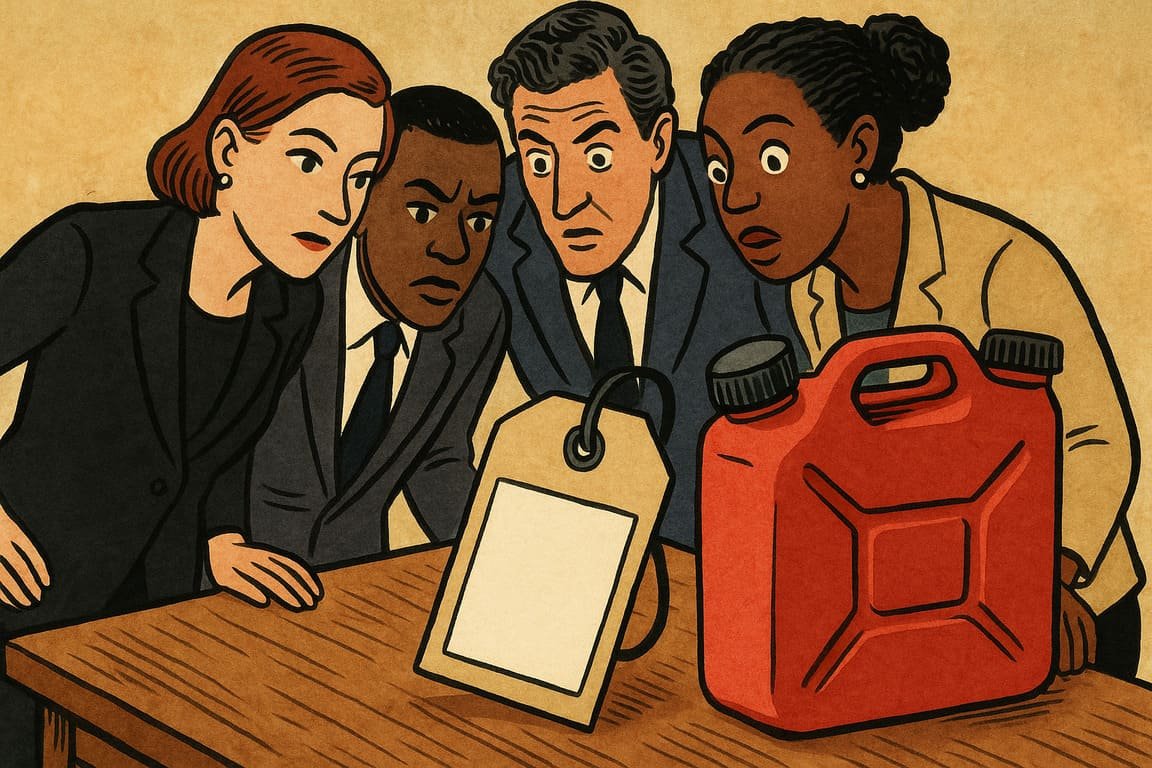
Somewhere in the midnight heart of the city, fluorescent lights flicker over a wall of whiteboards thick with dreams and discarded ideas. The air is charged, not just with the smell of pizza and burnt coffee, but with something more electric—a pulse that signals the birth of legends. In one corner, a small team circles a single word, drawing lines and arrows, arguing, laughing, and fighting off exhaustion. This is no ordinary brainstorming session. They’re wrestling with destiny. The stakes are as high as in any courtroom drama or back-alley duel: a name will be chosen tonight, and that single word will decide if their creation soars or vanishes without a trace.
The real battle of business is rarely fought in the market square. It starts here, at the fragile dawn of identity, where a single sound can charm the masses or doom a project to digital oblivion. The name is the spell that calls the world’s attention. It is the password to future fortune, the anchor that holds partnerships and unlocks investor wallets. Some founders chase inspiration across ancient mythologies. Others mash up words until something “clicks.” All know, somewhere deep down, that what they call their company will shape the way the world looks back—or doesn’t look at all.
In this hidden theatre of tech, startups and titans share the same weakness: the power of a name. Airbnb could have been “Airbed & Breakfast.” Google started as “BackRub.” The world nearly missed the magic. Names that feel inevitable now were close to being lost in the shuffle. The right name is a compass, a secret handshake, a seed that grows into legend. Without it, even the best idea can wither in the shadows.
So, the digital age rewards those who obsess over words. Here, on this neon-lit battlefield, identity is the real moonshot. For every brand that becomes a movement, there are thousands that die with a whimper—because they whispered the wrong name and no one listened.
Quick Notes
- Identity as Destiny: The right name is the foundation of your brand’s future. Get it wrong, and your business becomes invisible.
- Emotional Impact Matters: Names evoke trust, curiosity, and loyalty. The perfect word can start movements before your product even launches.
- Naming Is Strategy: Top founders treat naming as a weapon, not an afterthought. Every great brand story starts with a name that fits its ambition.
- Flexibility Breeds Longevity: Names that adapt across products, cultures, and trends create space for long-term success and global resonance.
- Culture Drives Names: The strongest companies create rituals, stories, and communities around their chosen word—turning identity into a viral advantage.
Identity Alchemy—How the Perfect Name Transforms a Business
A great name is not a happy accident. It is the result of a process that blends insight, culture, and the wild edge of creativity. When Netflix replaced “Kibble,” it unleashed a movement that redefined entertainment forever. That word, sharp and futuristic, promised a new kind of magic—endless stories streaming from the cloud. Every iconic business began with a single spark that lit up the imagination.
Stories from the trenches confirm this. A small software company in Mumbai, once called “Project X-7,” languished for years. The founder, Aarav Patel, spent a restless weekend with his team, searching for something that would catch the world’s ear. By Monday, they had chosen “Pulseware.” Within months, inbound calls doubled. People remembered them. The name carried energy, curiosity, and confidence. That one decision shifted the company’s gravity.
Naming is emotional judo. You can sense the future’s potential in the name Tesla, echoing both science and myth. The right name hypnotizes investors, makes journalists lean forward, and gives customers a reason to share. The wrong one fades, too boring or too weird, lost among millions of digital echoes. Consider the instant credibility that brands like Stripe, Slack, or Shopify summon—each feels like it was always waiting for its time.
Founders often ignore the deep theory of naming. Yet brand psychologists know that the sound, length, and rhythm of a name shape its destiny. Sharp consonants inspire confidence. Soft vowels invite trust. Real estate tech startup “CleverKey” found that their catchy, rhythmic name helped land big partnerships in their first year, outpacing rivals with clumsy, forgettable brands.
The market rewards those who dare to obsess. A name is not just a label. It is an engine that propels you through storms and slow seasons. Get it right, and you give your business an unfair advantage. Get it wrong, and even the most brilliant product might vanish without a trace.
Emotional Triggers—The Unseen Leverage of Naming
Every brand craves emotional connection. A name is the shortcut. Before a customer ever sees your product, their heart or mind reacts to what you call yourself. The rise of TikTok was not just about algorithmic genius; it was about a playful, rhythmic name that stuck in the brain like a catchy tune. Names that spark emotion outpace the bland, the awkward, and the overly clever every time.
Consider “Zoom.” In a world of technical jargon, that simple name promised speed and ease. It felt light, fun, and instantly shareable. During a crisis, millions said “Let’s Zoom” instead of “Let’s video conference,” making the brand into a verb overnight. That leap from noun to verb is the holy grail of naming—an emotional win that cements your brand in the culture.
Small wins can become massive. A bakery in Lisbon called “Cloud Loaf” drew morning crowds from across the city. The name evoked warmth, softness, and whimsy. Locals fell in love, posting photos and stories with hashtags that spread beyond Portugal. Cloud Loaf was not just bread. It was a feeling.
Emotion is contagious. A London fintech startup called “GlowPay” watched their customer satisfaction ratings skyrocket after a rebrand. The new name suggested happiness, speed, and a sprinkle of magic. Within weeks, their social shares doubled. Customers felt part of something bright and new. That’s the secret: people love to fall in love with words that echo how they want to feel.
Names are magnets for meaning. They draw the hopes, fears, and desires of an audience. Choose wisely, and your brand becomes more than a business—it becomes a part of someone’s story.
The Naming Gauntlet—Why Strategy Beats Serendipity
Naming is a blood sport behind closed doors. Many founders gamble, hoping inspiration will strike. The truth is less romantic. The best brands are built by founders who treat naming like a chess match, not a roll of the dice. They dissect competitors, consult linguists, run workshops, and gather feedback from trusted outsiders.
In Silicon Valley, the launch of “Ripple” as a payments platform was not just a lucky break. CEO Brad Larsen and his team spent weeks testing hundreds of names, seeking one that felt clean, global, and resonant. They wanted something short, positive, and open to future expansion. That effort paid off. Today, Ripple stands out in a crowded fintech world.
Startups ignore strategy at their peril. A Berlin SaaS company once called “Appolio” failed to ignite interest with investors. They spent time and money on everything but their name. A rebrand to “FuseBox” changed everything. Suddenly, their demo days were packed, their inboxes full of partnership requests, and the team felt reenergized. The shift was not in product or leadership, but in the emotional clarity of a new name.
Naming demands discipline. Branding agencies like Lexicon and Landor get paid handsomely to run the gauntlet. They hunt for names that check every box: global trademarks, cultural resonance, easy pronunciation, and future-proofing for new products. There is no substitute for hard work. The luckiest brands are those who sweat every letter.
Strategy makes names timeless. Apple was not born as an overnight icon. Steve Jobs obsessed over the choice for days, seeking something fresh, approachable, and impossible to ignore. That singular focus transformed the world. If your name is not a story in itself, you’re already playing catch-up.
Flexibility and Longevity—Building a Name for the Ages
Markets shift, cultures morph, and trends fade. The names that last are built to flex and survive. Brands like Amazon, which started with books and now sells everything, are proof that a name with room to grow is a priceless asset. Avoiding names that box you in allows your business to explore new directions without sounding awkward or irrelevant.
Instagram was almost “Burbn,” a word tied to its original focus on check-ins and whiskey bars. The pivot to a photo-sharing empire needed a name that could stretch. “Instagram” felt like a blank slate, a place to build anything. That shift unlocked viral adoption and future-proofed the brand.
Startups often fall into the trap of names that age poorly. An LA fashion label once named “RetroRev” lost millennial and Gen Z customers who saw it as dated. The founder, Priya Sen, spent a year surveying customers, leading to a relaunch as “Layered.” The new name signaled inclusivity and adaptability, instantly refreshing the brand’s image and sales.
Longevity is about cultural fit. PayPal could have boxed itself in with a name about sending money, but instead chose a flexible, friendly brand that grew with its mission. That agility turned early wins into lasting relevance. Great names don’t just survive trends—they shape them.
A smart name is a passport. It opens doors in new markets, attracts investors, and adapts to new technologies. If your brand can’t travel, you might win today and lose tomorrow.
Culture, Community, and Viral Identity—When a Name Becomes a Movement
Identity is not static. The strongest brands turn names into rituals, slogans, and social signals. Nike is not just a shoe company; “Nike” is an invitation to action, a cultural badge. When communities adopt your name, you’ve reached escape velocity.
Social platforms like Reddit, Snapchat, and Discord have names that morph into verbs and cultural memes. Their users don’t just consume—they create, remix, and defend the brand. The most valuable asset is not the product, but the identity people carry into daily life.
Founders often underestimate the viral power of a great name. In Nairobi, a ridesharing startup called “Zuka” built its early growth on a simple chant: “Zuka up!” The word spread in matatus, bars, and WhatsApp groups, igniting a grassroots movement. The founder, Tom Obiero, credits that two-syllable chant for half of their success.
Names that spark culture become stories. “Google it” replaced “look it up” in global conversation. “Tweet” turned into a digital handshake. The best names are not just words. They become worlds.
If you want your brand to outlast your first product, obsess over identity. Build a culture that rallies around a word. Turn your name into an anthem.
Lasting Echo—The Name that Survives the Storm
In a darkened theater after the crowd has gone, a single spotlight rests on a battered sign bearing a legendary name. Dust motes dance through the beam, memories of triumph and heartbreak floating silently. On stage, a founder stands alone, holding the last product from a company the world once knew. Everything changed, yet one thing survived the storms: the name etched in memory, whispered in living rooms and classrooms across continents.
Somewhere, a kid in a new city types that name into a search bar, searching for meaning, inspiration, or belonging. The world has moved on, but identity echoes in the places algorithms can’t reach. Businesses rise, fail, and rise again, but a perfect name never dies. It lives on in stories, headlines, and human imagination—a beacon for those who crave belonging and significance.
You hold the power now. The next name could spark a revolution, unlock hidden loyalty, or carry dreams into a future no one has seen yet.
Partnered. Provocative. Worth Your Scroll.
This is a Promoted Post by ESYRITE—yes, it’s paid, but never filtered. Our voice stays raw, real, and razor-sharp. We team up with bold ideas, game-changers, and stories that spark something real. If it’s here, it earned its place—no fluff, just impact. We don’t just promote—we provoke. Stay sharp. Dive deeper.
