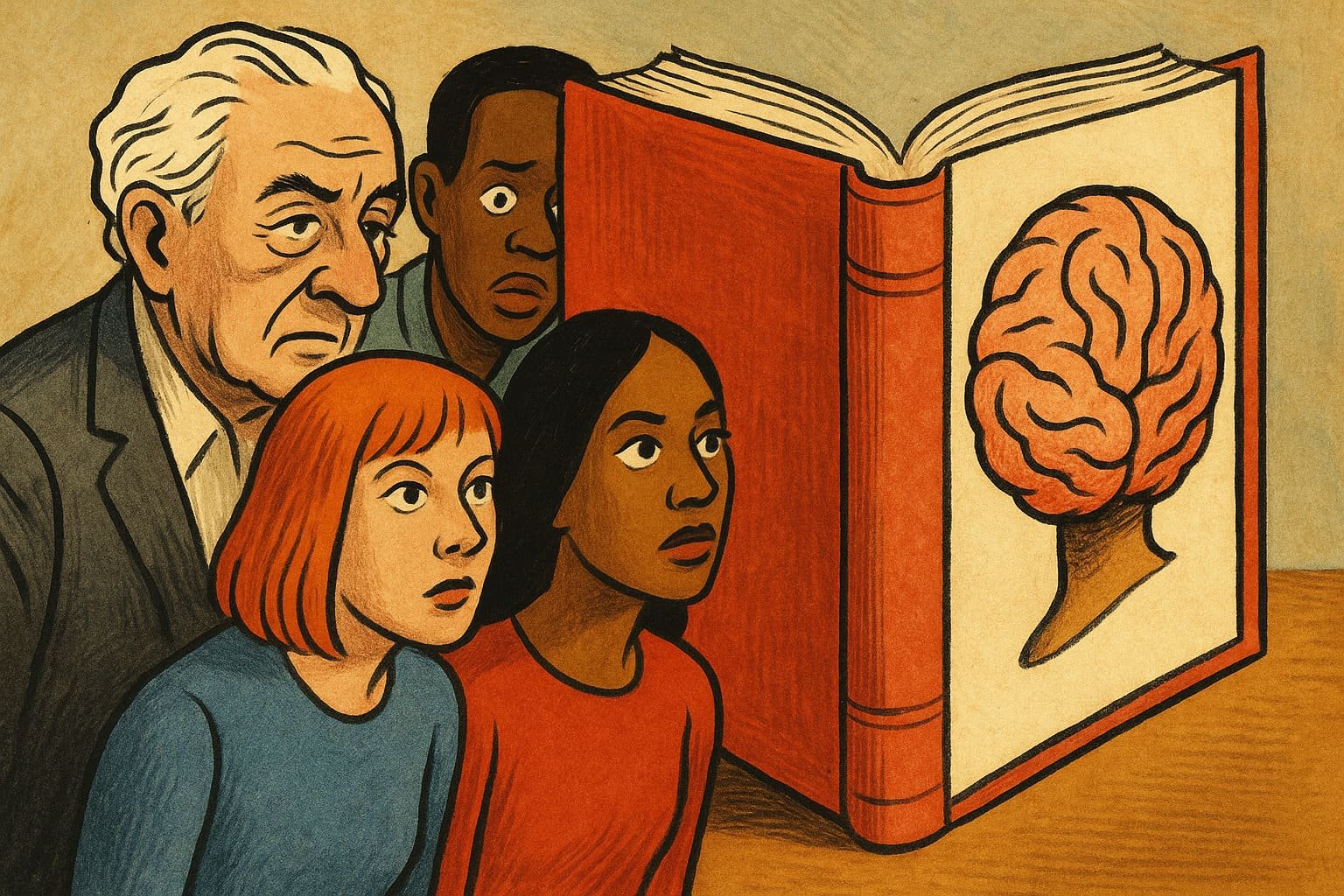
At 3 a.m., in a silent corridor lined with glass cases, the world’s most valuable brand stories wait behind invisible velvet ropes. No alarms shriek, yet a sense of fragile history pulses beneath every display. The air tastes like cold iron, tinged with the static of a thousand boardroom betrayals and creative rebirths. Past the dust-flecked light, you can almost hear the echo of Nike’s “Just Do It,” Apple’s bitten promise, the rustle of Patagonia’s recycled jacket—ghosts of slogans that once felt like gospel. They are not just artifacts but living memories, each one a lifeline for lost dreamers and weary founders grasping for meaning when algorithms fail to notice.
In this peculiar midnight museum, the souls of real brands remain undefeated, even as imitators flood the world outside. There is something raw about a true brand’s story, a quality untouched by trend-hopping campaigns or half-hearted missions pasted on company walls. A sense of belonging lingers, magnetically drawing restless wanderers who crave more than metrics or hashtags. They come for salvation, redemption, and the hidden promise that their work, their lives, might outlast the scroll of newsfeeds or the churn of another product launch. The legends in these cases hold more than logos—they are made of heartbreak, comeback, near ruin, and risky reinvention.
A lone security guard, tired but vigilant, circles the room, his steps muffled on the polished stone. His name tag reads: Elliot, Ex-Founder, Believer in Lost Causes. Once, he wagered everything on a kitchen gadget, burned out by anonymous reviews and a sea of soulless competitors. Now he stands watch, quietly telling his favorite story to anyone who will listen—a story about how a tiny brand with a handmade recipe book, battered and honest, changed his life more than any unicorn startup ever could. Elliot doesn’t need likes or shares; he measures impact by the goosebumps that rise when he recounts the moment he realized a real brand is a lifeboat for the human spirit.
Quick Notes
- Every Brand Is a Lifeboat: Only brands with authentic stories rescue us from the noise, carrying fragments of hope, loss, and redemption that keep business human.
- Fake Is Fragile: Imitation brands crash and burn in the long run, while brands with soul are built to survive the storms—see how a forgotten recipe book toppled a VC-backed giant.
- Human Touch Wins: From Nike to local artisans, the magic isn’t the logo—it’s the lived struggle, the flaws, and the resilience behind it. Customers crave connection, not perfection.
- Story Scales Faster Than Code: Algorithms fade, but stories get retold at kitchen tables and corner offices. A single story can double a business’s impact overnight, no ad spend needed.
- You Are the Hero Now: Real brands let you write yourself into their story, turning passive buyers into passionate believers. You become the protagonist—are you ready for that responsibility?
The Anatomy of a Brand’s Soul – Why Real Stories Survive
Most companies parade their vision like costume jewelry, bright and hollow, hoping a clever campaign will trick the crowd. Genuine brands, though, bleed at the edges; their stories are stitched with vulnerability and risk. There’s a reason why everyone from Tesla’s superfans to Patagonia’s climate rebels rally behind brands that show their scars. The market has a sixth sense for authenticity, detecting when a story is lived rather than manufactured in a committee room. In every truly enduring brand, there is a human pulse you can almost feel beneath the surface.
Consider the strange case of Betty’s Bread—a tiny family bakery in Detroit, nearly erased by corporate bread factories and low-carb trends. Refusing to die quietly, Betty herself handwrote stories of her immigrant grandmother on every bag, turning each loaf into a time capsule of hope and struggle. At first, no supermarket wanted “wordy packaging.” But as customers began sharing photos of those stories online, demand exploded. National chains called. Copycats tried to steal the formula, but couldn’t fake the spirit. Betty’s Bread is now a cult favorite, while bigger rivals are forgotten, proving that stories rooted in hardship are impossible to replicate.
Brands with soul operate like trusted guides through chaos, not just vending machines for consumer dopamine. When Airbnb’s founders faced bankruptcy, they mortgaged everything to make the rent—sleeping on their own air mattresses, designing quirky cereal boxes to survive. Those stories became legend, infusing every booking with a whisper of rebellion and grit that no hotel chain could buy. Even the most cynical investor recognizes that emotional origin stories create sticky loyalty, outlasting market cycles or platform shifts.
This is why even the sleekest tech company, from Apple’s “Think Different” to Netflix’s culture manifesto, roots its narrative in a kind of mythic adversity. When Steve Jobs returned to Apple, he painted the walls with rallying cries, not just for marketing but to remind employees that the heart of the company was not a device, but a point of view. Real brands carry a founder’s voice, flaws, and all, as a badge of honor.
As every exhausted founder or marketer knows, a brand without a soul is doomed to endless reinvention, while a brand with a story becomes an anthem for generations. In the long run, it’s not just what you sell, but the meaning you attach to it that gets remembered.
The Rise and Ruin of Fake Status – Why Pretenders Never Last
Copycats, clout-chasers, and trend vampires may win attention for a season, but their expiration date is built in from the start. Fake brands rise like viral memes, burning bright for a moment, only to collapse when the next shiny object arrives. Everyone remembers the “Fyre Festival” catastrophe—an Instagram-fueled mirage that promised luxury but delivered disaster. The public’s rage was not just about the missing villas; it was about the betrayal of story. People paid for a myth and received an illusion, and the backlash poisoned influencer marketing for years.
Watch the endless churn of DTC brands trying to be “the new Warby Parker” or “the next Glossier.” These startups mimic the surface—fonts, color palettes, influencer deals—while missing the underlying struggle that made the originals legendary. Real brands take punches, lose money, and recover with stubborn humility. Fakes skip the pain, and it shows. A famous VC once said, “The fastest way to kill a new brand is to promise perfection and deliver average.” Every consumer knows the emptiness of ordering from a drop-shipped “lifestyle” label, only to find the product and the mission are as shallow as the Instagram caption.
Yet, sometimes the market lets a fake brand go viral for the spectacle of its implosion. Remember the “Juicero” saga, where Silicon Valley sold a $400 juicer that squeezed pre-packaged bags—until users realized they could do it with their hands? Investors, employees, and customers all woke up to the same emptiness. In the aftermath, one disillusioned engineer, Mark, blogged, “We spent millions engineering something no one actually needed, because we mistook buzz for belief.” That confession still circulates on tech forums as a cautionary tale.
The real victims of fake brands are not just gullible customers but ambitious founders who get seduced by shortcuts. Brands that trade integrity for virality eventually pay with irrelevance. The ones that survive long enough to be missed are those that dared to tell the ugly, hopeful, unfinished truth.
Every era produces its batch of fakes, but history only remembers the originals. The rest become internet punchlines or cautionary slides in marketing decks. Only brands with a soul can afford to be imperfect, because they’re too busy being honest.
Human Connection at Scale – How Stories Create Movements
When a brand story hits home, it does more than sell products—it sparks revolutions. Humans are hardwired for narrative; before we learned to code, we learned to tell stories around a fire. Today, the bonfire is a global network, and the stories that travel farthest are the ones that feel closest to the heart. Brands that master this art—think Ben & Jerry’s activism, LEGO’s nostalgia, or Dove’s radical embrace of real beauty—turn customers into communities and buyers into believers.
Real movements happen when people see themselves in the story. Consider the cult of Peloton, which started with a single founder’s frustration at missing group cycling classes as a new parent. That sense of longing and improvisation became the core story, turning isolated workouts into a shared adventure. Users post sweaty selfies, celebrate milestones, and mourn missed rides—not because of the hardware, but because the brand made them feel part of something bigger than themselves.
On the other hand, stories misused or weaponized can backfire spectacularly. When Pepsi tried to hijack protest imagery with a tone-deaf ad, the internet responded with mockery, reminding brands that stories are not props but shared experiences. The difference between impact and outrage is whether a brand’s story invites people in or uses them as background extras.
Customers have always craved connection, but in the age of remote work, screen fatigue, and digital noise, that hunger has become existential. This is why indie brands, local bakeries, and BIPOC entrepreneurs are thriving on platforms like TikTok—because their stories feel lived, not staged. One microbrand, “Soul Socks,” built a six-figure business after a founder posted raw stories about battling anxiety and knitting through sleepless nights. Buyers flocked not for the patterns but for the honesty, sharing their own battles and turning the brand into a safe space online.
Movements are messy, emotional, and full of contradictions, but they start with a single authentic voice. A story that rings true once can echo for years, multiplying impact across cultures, geographies, and even generations.
When Code Fades, Story Remains – Lessons from the Digital Frontier
Tech companies live and die by disruption, yet the oldest trick in the digital playbook is still the story. Even in the shadow of machine learning, blockchain, and AI, nothing scales trust like narrative. Code can be copied, features cloned, platforms leapfrogged. But a brand’s founding myth, repeated and reshaped by fans, becomes an unbreakable asset.
Spotify’s origin, retold endlessly at conferences, is not about music licensing deals but about the founders’ obsession with erasing piracy through access, not ownership. That core narrative, driven by the founders’ obsession, kept users loyal even when bigger companies tried to build clones. Similarly, Slack’s cult-like following grew from a founder’s failed video game company and a desperate pivot—a story now legendary in startup circles. The vulnerability of “we almost didn’t make it” is what made customers care.
Story is also the antidote to algorithmic fatigue. In a world where every platform is optimized for engagement, real connection gets lost. Users crave meaning, not just convenience. Take the resurgence of handwritten newsletters, personal podcasts, and analog experiences. The more digital the world becomes, the more a human story stands out.
Brands like Notion, Duolingo, and Basecamp have all built global cults not by spending on ads but by sharing the struggles, quirks, and stubborn philosophies behind their work. People don’t fall in love with “best-in-class” features; they fall for eccentric founders, rebel teams, and missions that dare to be weird. When code fades, story remains.
The next time a founder asks, “How do we build brand loyalty?” the answer is simple: let the story be messy, flawed, unfinished, and true. Let it be lived, not just told.
You Are the Plot Twist – Why Every Brand Needs a Human Hero
The ultimate power of a brand’s story lies not in its telling, but in its invitation. Great brands don’t cast customers as spectators; they make them protagonists, co-authors, and sometimes even heroes. The plot twist? Every buyer, fan, or critic becomes part of the ongoing narrative.
Warby Parker’s “buy a pair, give a pair” model was not just a clever business move—it allowed customers to write themselves into a global story about access and vision. Each purchase became a plot point. Patagonia’s “Don’t Buy This Jacket” campaign dared people to think beyond consumption, sparking a movement where customers saw themselves as environmental activists, not just shoppers.
Sometimes, a brand’s story is saved by its own fans. When LEGO nearly went bankrupt, a devoted community of adult fans revived the brand by demanding more complex sets and sharing their creations online. The company listened, embraced the community, and survived. In each case, the brand survived not because of a catchy slogan, but because it let people become part of the legend.
Customers crave transformation, not transactions. The brands they love offer them roles in a story still unfolding, a chance to grow, change, and belong. One anonymous story: A struggling manager at a failing bookstore discovered a handwritten note inside a customer’s favorite novel. “This story saved me,” it read. That line became the store’s new motto, turning the shop into a sanctuary for local readers and writers. Business doubled. The lesson: Invite customers to be the reason your brand survives.
At the end of the day, the most valuable asset in any business is not the product, platform, or pitch deck—it’s the living, breathing, unpredictable story shared by real people who care.
The Only Story That Matters
Beneath the flicker of fading neon, a lone entrepreneur stands at the window of a darkened studio. Outside, the city moves—relentless, indifferent, alive with a million untold stories. Inside, the air carries the warmth of late-night coffee and the sharp ache of a thousand failed pitches. No trophies line the shelves. Only a battered notebook, open to a page scarred by rewrites and rain smudges, remains. A brand’s true legacy survives not in awards or IPOs, but in the hearts it’s marked forever. Even as silence fills the room, the story waits—unfinished, undefeated, searching for one more hero to keep it alive.
Out there, someone needs to feel seen. Someone waits for a story that feels like their own. That’s how brands become immortal: not by selling products, but by preserving souls.
So the real question is: will you keep scrolling, or will you become the story that others remember?
Partnered. Provocative. Worth Your Scroll.
This is a Promoted Post by ESYRITE—yes, it’s paid, but never filtered. Our voice stays raw, real, and razor-sharp. We team up with bold ideas, game-changers, and stories that spark something real. If it’s here, it earned its place—no fluff, just impact. We don’t just promote—we provoke. Stay sharp. Dive deeper.
