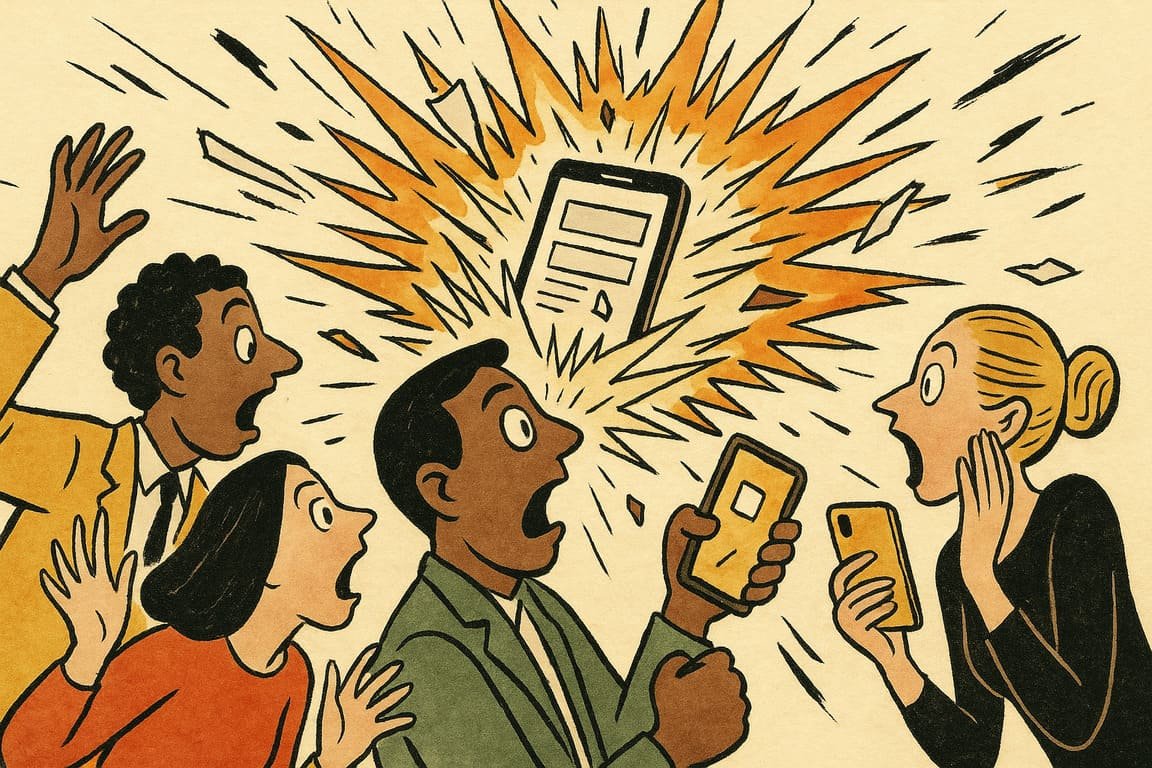
Fluorescent lights buzz above an empty classroom late at night, where a whiteboard glows with scribbled arrows and post-it notes. In the stillness, a single question pulses through the space: How do ordinary websites become obsessions? The walls bear witness to a quiet revolution. It’s not complexity or spectacle that drives the world’s fiercest user loyalty, but simple, actionable design moves that anyone can master. As sunrise edges over the windowsill, the lesson becomes clear: with the right tips, a design can trigger the kind of obsession that grows movements, not just traffic.
A freelance designer named Cal juggles gigs in coffee shops, her laptop bristling with browser tabs. She’s no celebrity, yet her sites rack up return visits, glowing reviews, even fan art. Her secret? Ruthless simplicity. Cal’s checklist is legendary: one clear goal per page, buttons that feel alive, words anyone can read, layouts that guide the eye. “Don’t make them think—make them smile,” she jokes, drawing a quick heart on her sketchpad. In a digital world where confusion reigns, clarity is a superpower.
Across the globe, brands large and small hunt for ways to keep users glued. A music app in Seoul swaps clunky settings for a “Magic Play” button. Streams double. A florist in Nairobi adds a single animated flower to her checkout page. Cart abandonment plummets. Each tweak comes from listening, not guessing. When you strip away noise, the heart of great user design shines: Make every step intuitive. Hide nothing. Reward every click.
You know the joy of a site that just “gets it.” No guesswork, no hunting for hidden menus, no labyrinth of forms. Instead, there’s momentum. Every action is frictionless. You finish what you started—then stick around, eager for more. The old myth says users have no attention span. The truth? They have endless attention for experiences that respect their time and intelligence.
Real-world case studies echo the same lesson. An indie fitness app in Lisbon nearly collapsed until the team rebuilt its onboarding. The new version asked only three questions, offered a personal hello, and showed visible progress. Engagement exploded. Reviews gushed, “Finally—someone made it easy.” The simple tip: always begin with a welcoming, guided start. The obsession flows from there.
Micro-interactions have become the new currency of loyalty. That satisfying bounce when you finish a form, the subtle shimmer of a button, the way an image blurs behind a popup—these small touches add up. Fictional founder Jenna Reyes, who turned her photo site into a global addiction, calls these “tiny triumphs.” She says, “People fall in love with moments, not menus.” Her mantra is now copied in product teams worldwide.
Visual hierarchy is another tip that triggers obsession. Users scan first, read second. Smart design uses size, color, and placement to whisper, “Start here.” A clothing store in Amsterdam boosted sales by 30% after reorganizing product cards from most popular to least. The shop owner reported, “Customers shop faster, and buy more.” When every detail points to the goal, obsession becomes the default.
Emotional connection drives return visits. The world’s stickiest platforms use avatars, streaks, badges, or surprise messages. When Duolingo’s green owl celebrates your tenth day in a row, you feel recognized. When Slack’s loading screen jokes with you, boredom vanishes. You’re not just a user—you’re a guest, a player, a co-creator. Great design makes the experience personal.
Don’t underestimate feedback loops. Instant, positive responses turn casual users into diehards. A productivity tool in Sydney added a “Done!” confetti animation to its checklist. Suddenly, users finished more tasks and shared the app with friends. The simple tip: reward progress in real time, not just at the end.
Accessibility is the final, essential tip. Obsession only grows when everyone can join. High contrast, readable text, and smart navigation unlock passion in new audiences. Brands that ignore this pay the price—lost customers, negative reviews, and even legal trouble. A tourism site in Cape Town saw engagement soar after adding language toggles and adjustable font sizes. The change wasn’t about compliance. It was about making everyone feel welcome.
You don’t need a billion-dollar budget or an army of coders. Obsession is triggered by empathy and attention to detail. Watch your users. Listen to their complaints. Invite criticism, then build something even your harshest critic can’t resist. The best tips are free: Simplify. Delight. Respond. Repeat.
The next generation of user design belongs to those who remember that obsession starts with the basics. The world’s most viral apps and sticky brands win not with flashy tricks, but with relentless focus on the user’s happiness.
As daylight streams into the empty classroom, the designer erases yesterday’s notes and draws a single line: “Obsess over the user.” Her team gathers, sipping coffee, sharing ideas, ready to launch the next big thing. Down the hall, students open laptops and gasp as a new site greets them like an old friend. Obsession blooms in the quiet, in the easy, in the obvious done beautifully.
On city streets and living rooms worldwide, users linger a little longer, bookmark one more page, tell a friend about what they found. The secret is out: simple tips, deeply human, will always turn visitors into fans.
You sit at your own screen now. Will you keep them guessing, or will you trigger obsession with design that truly cares?
