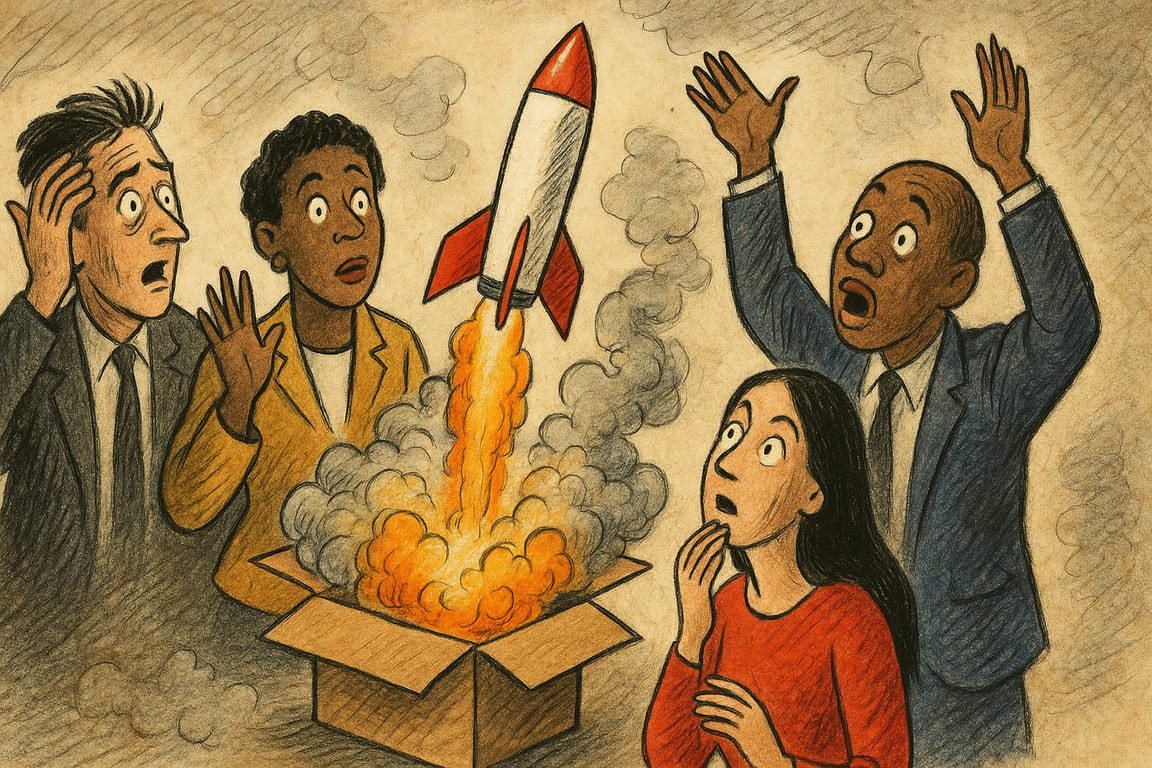
At sunrise, the city crackles with an electric anticipation, every billboard and bus shelter fighting for a slice of your attention. A coffee shop’s neon sign, half-lit, flickers over two founders nervously clutching branded cups, rehearsing the pitch that could catapult their creation from idea to obsession. In a cramped warehouse nearby, boxes of unsold dreams wait for a verdict from the world. Launch day is never just a date on a calendar. It’s a cliff edge, a dice roll, a prayer whispered into the chaos of the marketplace. Some stories vanish before the sun sets. Others explode, rewriting futures and minting legends overnight.
You can feel the tension every time you witness a launch. There’s that moment when the curtain lifts and all the planning, sweat, and sleepless nights either soar or sink. If you’ve ever pressed “go live” on a project, you know the cocktail of dread and hope. The real shock comes not from the flawless, but from the ones who stumble, pivot, and then ascend. The market never rewards perfection. It rewards resilience, empathy, and a wild ability to adapt in real time.
Remember the launch of Airbnb? The founders famously struggled for traction, selling cereal boxes to stay afloat while chasing a market nobody else believed existed. Their product flopped at first. Rejection piled up. Then, after dozens of iterations and nights spent in their own listings, they discovered what travelers truly wanted: a sense of belonging. That pivot, born from humbling feedback and persistent curiosity, turned disaster into a hospitality revolution. The Airbnb story proves that a failed launch is just the first act in a blockbuster.
Every product you love has a war story. Nintendo’s Wii wasn’t designed for gamers, but for families and non-gamers left out of the console wars. Critics scoffed. Stores hesitated. But after watching real people light up while playing, Nintendo doubled down on simplicity and movement. The Wii became a household staple, not because it was the most powerful, but because it was the most human. When you launch, don’t chase features. Chase feelings.
Take the electric rise of Peloton. Before it became a pandemic staple, the company weathered ridicule and supply chain snarls. But the founders listened to frustrated users. They added social features, instructors with personality, and a library of workouts that felt like a party. The product evolved as fast as its customers’ needs did. Today, Peloton isn’t just a bike—it’s a cult, a badge, a movement. That’s what happens when a launch isn’t the finish line, but the starting gun.
You might not see the chaos beneath the surface, but every successful launch is a blur of scrambles, near-misses, and epiphanies. When Slack launched, it was an accidental byproduct of a failed gaming startup. The team kept tweaking the tool they actually used to communicate, realizing it solved a universal problem. The pivot was so sharp, competitors never caught up. The lesson: sometimes the story you plan isn’t the one you end up telling. Stay alert to what your customers do, not just what they say.
Every launch comes with a moment of terror. When Spanx hit the market, founder Sara Blakely cold-called department stores and handed out samples herself. Her refusal to listen to “no” transformed the shapewear market and created a billion-dollar empire. The real success stories begin where comfort zones end. If you can stay curious, keep testing, and treat every “no” as a step closer to “yes,” your launch might just join the hall of fame.
Look at the surprise success of Clubhouse during the pandemic—a product built for voice and spontaneity that caught fire when the world craved connection. No one could have predicted the timing, but the team moved quickly, iterating daily based on user feedback. In the right moment, with the right ears open, even the smallest idea can scale like wildfire.
You can launch small and still win big. Dollar Shave Club didn’t invent razors, but by making a cheeky video and slashing subscription complexity, they turned a tired industry on its head. Their story became the blueprint for modern viral launches: authenticity, humor, and solving a real pain point. Launching isn’t about being first. It’s about being memorable.
The truth behind every legendary launch is that the best ideas rarely arrive fully formed. Instagram began as a location-based check-in app called Burbn. After users flocked to its photo features, the founders stripped everything else away. The lesson for you? Focus on what people are actually using and obsess over making it unforgettable.
Fear is a constant companion on launch day. That’s not a bug, but a feature. Zoom’s meteoric rise wasn’t smooth. Security stumbles threatened to derail its success, but the company responded with humility and transparency. Fixes rolled out fast, trust rebuilt, and Zoom went from niche tool to global necessity almost overnight. Responding to crisis with integrity is what separates flashes in the pan from household names.
Launching a product is never just about features and specs. It’s about forging a story that resonates, a solution that becomes essential. The ones who win are those who listen hardest, iterate fastest, and believe in their mission with stubborn optimism. Your launch is your chance to write that story—imperfect, messy, but unforgettable.
Long after the applause dies down, empty boxes and pixelated metrics tell the real tale. In a dim corner office, a product manager rereads user feedback, searching for lessons in the chaos. The launch day rush fades, replaced by quiet resolve and a list of hard-won truths. Down the street, a new team gathers, huddled around prototypes, nerves jangling as they prepare for their turn. Launches echo, their ripples visible only to those willing to keep building.
What separates a forgotten product from a legend isn’t a lucky break, but a willingness to learn in public, to transform failure into momentum, to listen harder when things get rough. The spotlight always moves on, but the work continues. The only question left is the most human one of all.
Will your next launch be the one that changes everything for you?
