An ancient city square, once quiet and overlooked, now thrums with restless energy. In the shadow of a marble statue, reporters gather, their cameras blinking in anticipation. At the center, a scientist holds a worn binder with trembling hands. Around them, the air crackles with the kind of suspense reserved for moments that split history. No proclamation, no dramatic gesture, just a soft clearing of the throat and a few simple words: “Our findings change everything.” The announcement doesn’t echo. It detonates. Overnight, assumptions crumble and debates erupt in boardrooms, classrooms, and living rooms around the globe. In that instant, the ordinary becomes strange, and nothing will ever be quite the same.
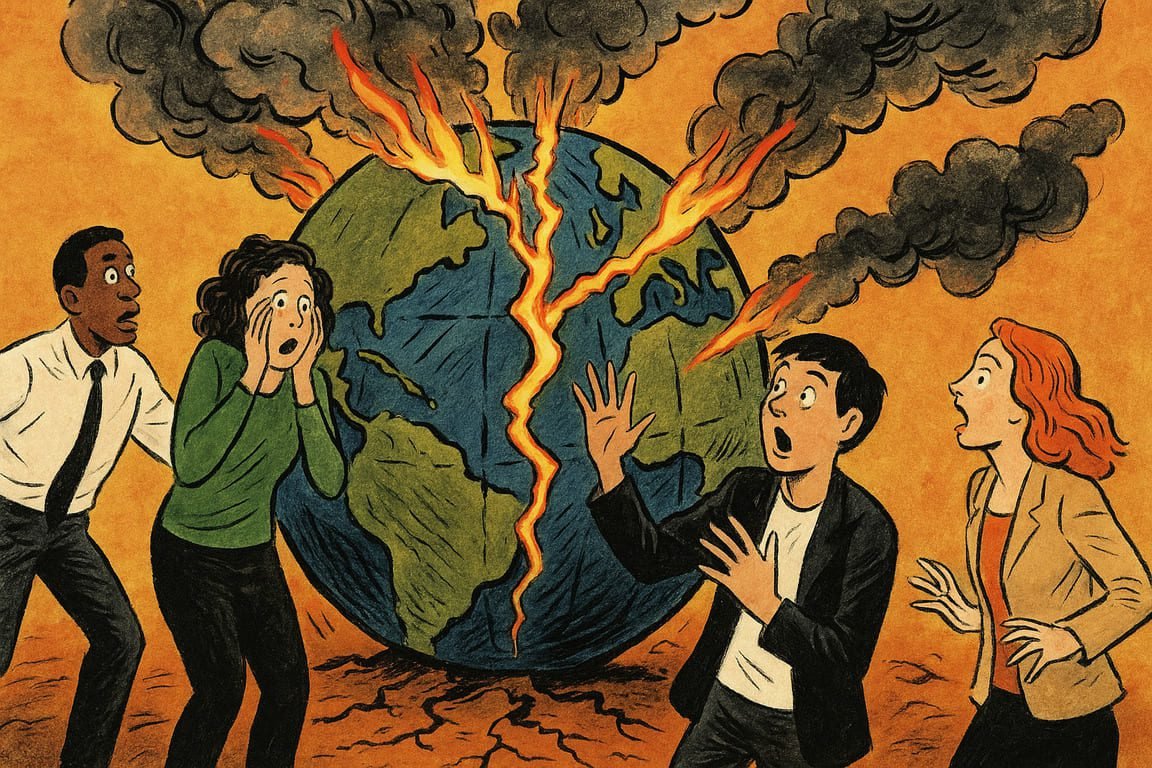
The world treats breakthrough research like a natural disaster. Quiet tremors build over months or years, barely noticed outside closed circles, until one study triggers an avalanche of change. Suddenly, old truths seem fragile. Businesses pivot, laws shift, and public opinion twists in new directions. Consider how the discovery of penicillin, the mapping of the human genome, or the rise of renewable energy transformed not just science, but entire societies. A single insight can ripple across decades, upending how people work, love, and dream.
You may not realize it, but these shocks arrive more often—and closer to home—than news headlines suggest. For every splashy media blitz, a hundred silent revolutions unfold in forgotten corners of the world. A teacher in São Paulo discovers new techniques for reaching nonverbal students; an engineer in Nairobi invents water purification filters using everyday materials; a programmer in Seoul designs code that rewrites the rules of e-commerce. Each breakthrough begins as a whisper, then roars into something uncontainable.
The courage to chase groundbreaking research rarely earns instant applause. Innovators are often dismissed or ridiculed before their ideas catch fire. Remember how early climate researchers faced fierce resistance, accused of doomsaying or bias, only to have their warnings vindicated as wildfires and rising seas remade the map? Or think of the whistleblowers who exposed hidden toxins in everyday products, forcing companies to scramble for safer alternatives. Real change is usually slow, then sudden. The ground shakes first beneath the feet of the brave.
Every generation faces its own “earthquake moment,” when accepted wisdom falters and new rules emerge. Digital currencies, for instance, began as the obsession of a few mavericks on obscure internet forums. Now, entire nations debate whether to build policy and industry on their foundation. Research doesn’t just shape products; it shifts the tectonic plates of culture and economy. Your own daily choices—what to eat, how to commute, whom to trust—are quietly choreographed by insights born in dusty labs and drafty archives.
The emotional fallout from groundbreaking research is as profound as the practical. When researchers revealed the dangers of smoking, millions faced the shock of unlearning what they thought was harmless. The tobacco industry spent years weaving doubt, but the science kept piling up. Eventually, truth cracked the shell of denial. These moments hurt before they heal, forcing people to confront not just facts, but fears.
Businesses caught in the aftershocks have two choices: adapt or vanish. Kodak’s stubborn refusal to embrace digital photography is a case study in how ignoring research can end empires. By contrast, nimble companies—think Netflix, which pivoted from DVDs to streaming after analyzing shifting trends—thrive by treating every discovery as a signal, not a threat. The winners are those who listen hardest to the rumblings beneath their feet.
Societies that thrive in the face of change are those that welcome challenge, not comfort. A visionary school principal in Lagos, stunned by research on the power of inclusive education, rebuilt her curriculum from the ground up. Graduation rates soared, and rival schools followed suit. It’s a reminder that being first to act is often more important than being first to know.
Breakthroughs also spark new questions, sometimes more troubling than the ones they answer. The mapping of the human genome, once hailed as the key to curing disease, quickly raised ethical dilemmas about privacy and identity. Advances in artificial intelligence now force governments, artists, and everyday workers to reconsider what it means to be human. The ground never settles for long; every solution plants the seeds for a new uncertainty.
Stories of those who seize the moment reveal a secret: the greatest upheaval creates the greatest opportunity. An out-of-work chef in Paris, inspired by nutrition research, launched a food truck serving plant-based dishes that once seemed unthinkable in the city of butter and cream. Demand exploded. His menu changed the conversation about health and tradition. The courage to ride the shockwave often creates the next wave.
Breakthrough research isn’t about genius in isolation—it’s about networks, support, and stubborn hope. Teams that cross borders, disciplines, and generations are the ones most likely to shake the world. Behind every headline, there’s a chorus of quiet collaborators: lab assistants, data analysts, mentors, skeptics. Each plays a part in moving the fault lines.
As the city square empties, the scientist lingers in the shadow of the statue, watching morning bleed into gold across the stones. Her binder is lighter now, her burden shared by millions newly awake to possibility and risk. The earth feels unsteady, but alive, as if it’s holding its breath before the next big idea. In that uncertain quiet, a new story waits to be written, shaped by the hands of those bold enough to follow the cracks, not flee from them. The world has shifted. You feel it too—the tremor that signals everything is possible if you dare to act before the dust settles.
Will you wait for the aftershocks, or become the one who moves the ground beneath your own feet?
