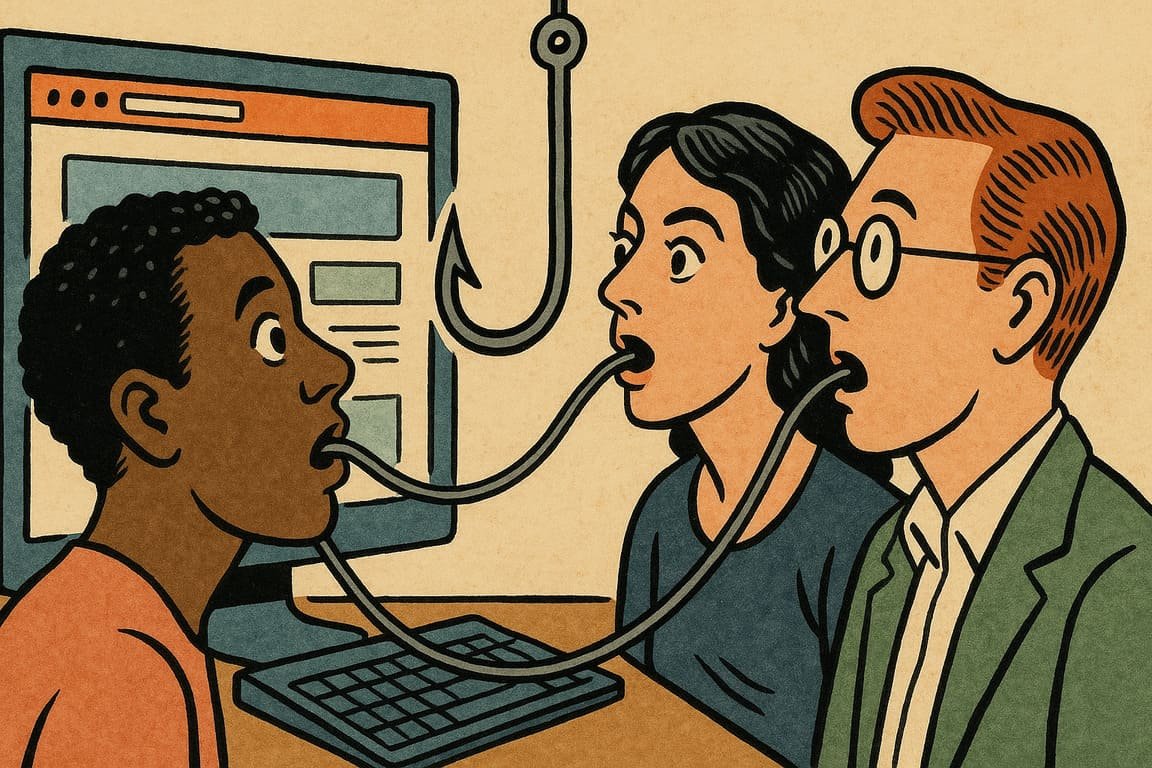
A rain-slicked city pulses outside, neon signs flickering against glassy windows. Inside, a lone designer leans closer to the monitor’s blue light, chasing something just beyond reach. The hum of distant traffic feels like background music, setting the scene for a silent game played in pixels and code. The screen holds secrets—colors, shapes, invisible patterns—each choice a trap or a promise. Visitors land, swipe, linger, or vanish. Only the cleverest web creators understand why. The difference between forgettable and addictive often comes down to small, almost invisible moves: the web design secrets that keep every user hooked.
The first hook lies in rhythm. The most compelling sites flow like a great song, with beats that pull you forward. Animation is subtle, not distracting. Microinteractions—a flicker, a bounce, a ripple—turn clicks into tiny rewards. Netflix designers once obsessed over their loading spinner for weeks, hunting for the exact movement that would keep viewers patient, not restless. Small moments like these compound, guiding attention and mood without the user ever knowing why.
A second secret hides in contrast. Colors and shapes compete for attention, but the best designers use restraint. Spotify’s team famously spent months testing shades of green until the call-to-action glowed just right, instantly visible but never screaming for attention. This careful balance, like a chef’s pinch of salt, heightens the experience and keeps users scrolling for more.
Navigation is another powerful lever. The simplest menus often perform best, yet simplicity is a hard-won illusion. At Apple’s headquarters, teams test navigation trees over and over, tracking eye movement and hesitation. Each menu is whittled down until every path feels obvious, every detour eliminated. The most beautiful website in the world fails if users get lost in a maze.
Personalization gives visitors a sense of ownership. From the “Good evening, Sam” greeting on a dashboard to the way YouTube remembers your weirdest viewing habits, these touches signal belonging. An e-commerce founder named Laila tells her team, “A customer should feel our site was made just for them—every color, every word.” Her approach lifted loyalty, not with expensive tech, but with custom content and names that pop up at the right moment.
The psychology of microcopy shapes trust. Button labels like “Let’s Go” or error messages that crack a joke lower anxiety and humanize the interface. When Slack’s onboarding asks, “What will we call your workspace?” it feels like an invitation, not a demand. Good microcopy turns instructions into conversation, transforming the coldness of code into warmth.
Images anchor emotion. The right hero photo or illustrated mascot does more than decorate—it sets a tone, builds trust, sometimes even tells the whole brand story in a single glance. Airbnb’s relaunch centered on real guest photos, swapping staged mansions for family snapshots. Users responded with more bookings and longer stays, proof that visual truth matters more than perfection.
Speed is non-negotiable. Modern users have the attention span of a TikTok scroll, and slow sites kill engagement. Teams at Booking.com once shaved milliseconds off page loads and watched conversions spike. Performance is invisible until it fails. Great designers obsess over compression, lazy loading, and clean code because each moment saved keeps the user’s focus right where it belongs.
Storytelling ties it all together. When a site’s flow mimics a journey, guiding users from problem to solution, satisfaction rises. The best product pages read like short stories—problem, tension, resolution. A startup called Craftly’s homepage greets you with a challenge: “Tired of lifeless emails?” By the end, you’re a believer in their solution, almost without noticing the narrative at work.
Community is the final, often ignored, ingredient. Sites that thrive make users feel part of something bigger. Duolingo’s design keeps language learners motivated with streaks, leaderboards, and playful mascots. These features create a tribe, turning casual visitors into daily devotees. The stickiness isn’t just in the design, but in the sense of shared progress.
The secret sauce for web design that hooks users isn’t a single technique. It’s a mix of psychology, empathy, relentless testing, and the humility to kill even beloved features if they fail. At the heart of every sticky website sits a team who obsesses over details most users will never see. The reward: returning visitors, word-of-mouth, and the rare magic of a site people love.
Somewhere, another designer peers at analytics, chasing the secret that turns seconds into minutes and visitors into fans. The city lights blur outside, unnoticed, as one more tweak, one more pixel, quietly tilts the odds in their favor. The real question lingers on the edge of every click: Are you the one who shapes attention, or are you already under someone else’s spell?
You can scroll through life on autopilot, or you can look up and see the hooks all around you.
