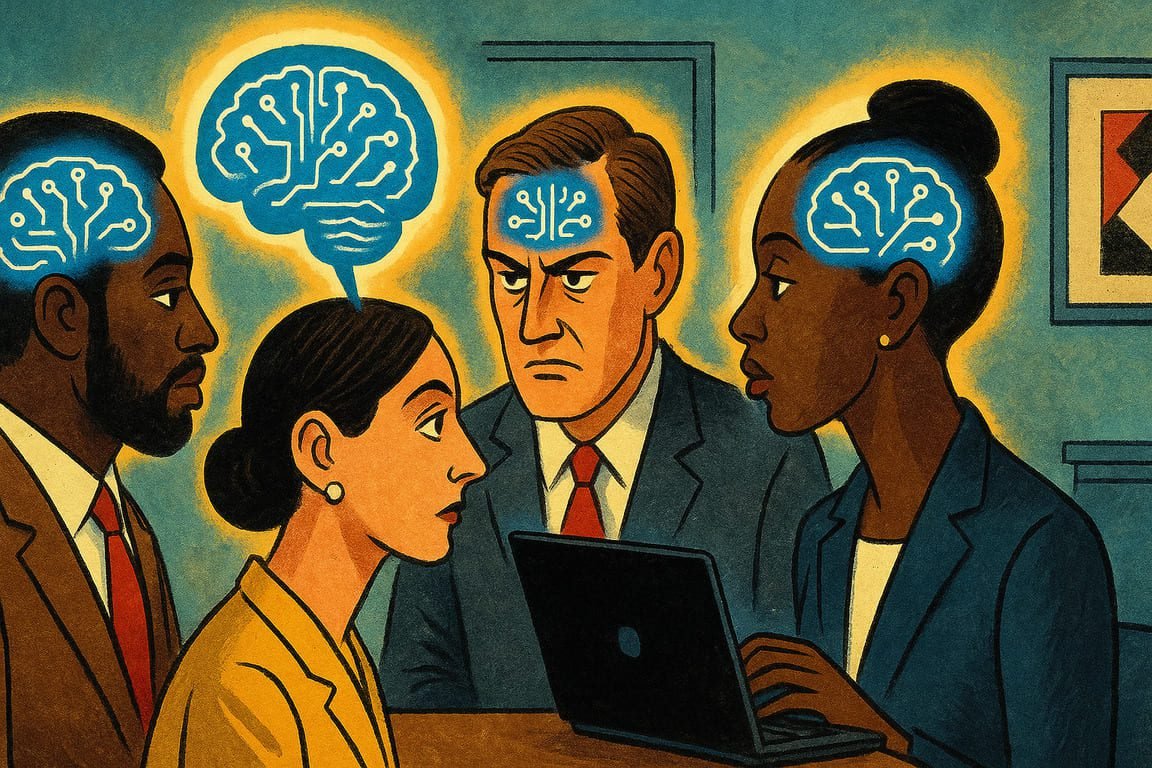
Deep inside a once-stuffy headquarters, laughter rings out during an impromptu hackathon where executives and interns scribble wild ideas on glass walls. Gone are the rows of silent cubicles, replaced by breakout spaces where playlists and brainstorms overlap. On the surface, the building still looks corporate, but the energy inside is unrecognizable. A revolution has swept through not because of new software or slogans, but because of a culture transformed by digital mindsets. Here, every person acts like a founder, every team moves like a startup, and the rules of yesterday feel obsolete before lunch. The heart of modern business no longer beats to the rhythm of hierarchy, but to the wild pulse of reinvention.
You can sense it in how teams talk to each other. Conversations cut across departments and titles, with ideas moving faster than memos ever did. The old script—“keep your head down and follow the manual”—is replaced by questions that begin with “why not?” and “what if?” When digital mindsets take root, curiosity and experimentation thrive. Problems become puzzles, not burdens. Employees who once dreaded Mondays start pitching new product ideas, and even the most risk-averse managers learn to celebrate small failures as a sign that something is happening.
Case studies reveal the magic behind the movement. At a Singapore-based insurance company, junior staff led a digital-first initiative that reimagined the claims process. The result: faster payouts, happier customers, and a management team suddenly hungry for more bottom-up innovation. Across the globe, an African fintech startup runs weekly “no blame” retrospectives. These open sessions have turned missed targets into engines for process improvement. Each story underscores the same point: transformation is contagious when everyone feels empowered to shape the future.
New mindsets also demand new rituals. All-hands meetings start with customer success stories, not quarterly sales charts. Leaders shadow frontline staff to learn the real friction points, then return with fresh insights instead of top-down decrees. In a Berlin design agency, managers hold “digital empathy hours,” asking staff to demo their favorite tools and share hacks. Productivity rises, but so does morale. The company’s culture becomes its best recruiting tool—outsiders want in, and insiders do not want to leave.
The shift to digital thinking makes learning a team sport. Companies stop treating training as a chore and turn it into an ongoing, gamified journey. A Brazilian retailer, struggling with slow tech adoption, set up internal leagues for mastering new platforms. Winners got recognition, but the real prize was a surge of fresh ideas and faster adaptation. Mindset changes are sticky when they are social.
The dark side of culture transformation is resistance and fatigue. Not everyone loves disruption. Some employees grumble that the pace is exhausting, or fear that their skills will become irrelevant. Forward-thinking leaders meet this challenge head-on: they listen, offer support, and reframe anxiety as opportunity. At a US healthcare startup, leadership brought in outside coaches to guide team conversations, helping staff see themselves as co-authors of the change rather than casualties of it. Burnout drops when people feel seen and heard.
Digital mindsets fuel a thirst for meaning. Employees no longer just want a paycheck—they want to see the impact of their work, to solve problems that matter. A Nairobi logistics company transformed its employer brand by tying everyday tasks to the company’s mission of sustainable transport. Suddenly, warehouse roles became purpose-driven, and even high-turnover positions attracted ambitious talent.
Experimentation flourishes in environments where mistakes are seen as fuel, not fire. A Parisian beauty brand hands out monthly awards for “boldest flop,” spotlighting experiments that failed but taught valuable lessons. The company’s most successful product launch last year started as a flop, only to be revived by insights from the post-mortem. Failure becomes less frightening when it is welcomed as a stepping stone.
True digital culture puts the customer at the center of every conversation. Teams use chat threads and collaborative docs to share feedback instantly. At an Indian edtech firm, product managers join parent groups and student chats, building features in real time based on real voices. The result is a feedback loop so tight that innovation becomes a daily reflex.
The ultimate sign of a transformed culture? Agility that survives leadership changes and market shocks. When a company’s DNA is digital, it bends without breaking. New hires pick up the rhythm fast, while veterans help fine-tune it. Every pivot, every sprint, every brainstorm adds another layer of resilience and creativity.
Late at night, the last team to leave the office watches the city flicker from the windows. The energy inside remains: unfinished debates, new friendships, wild ambitions. A business culture transformed leaves more than profits—it leaves legend. What will your company be remembered for, when the old playbook is gone and only bold stories remain? You decide how the next chapter is written.
Partnered. Provocative. Worth Your Scroll.
This is a Promoted Post by ESYRITE—yes, it’s paid, but never filtered. Our voice stays raw, real, and razor-sharp. We team up with bold ideas, game-changers, and stories that spark something real. If it’s here, it earned its place—no fluff, just impact. We don’t just promote—we provoke. Stay sharp. Dive deeper.
