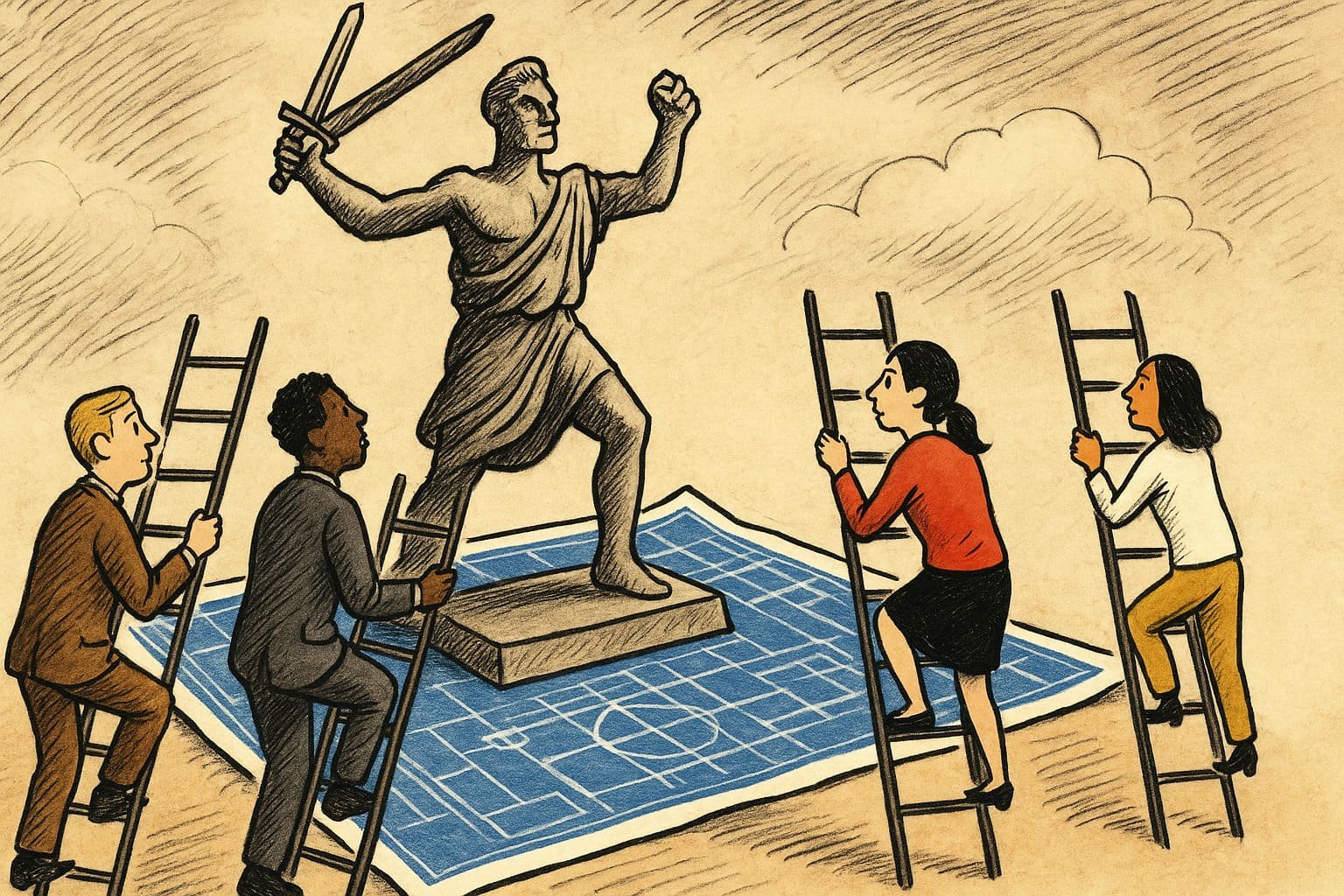
Success rarely announces itself with applause. It usually arrives disguised as discipline, disguised as another ordinary morning when everyone else chooses comfort over commitment. The people who build extraordinary businesses and remarkable lives rarely possess magical talent. They simply develop a blueprint that guides every decision long before pressure appears. That quiet reality explains why some leaders keep advancing while others remain trapped in cycles of hesitation. Victory is rarely accidental. It is engineered through deliberate choices repeated until they become identity.
Many professionals spend years chasing motivation instead of building systems. That mistake quietly drains careers, relationships, and businesses because emotions fluctuate while structure endures. A founder may begin with passion, only to discover that excitement cannot replace consistency when markets shift or competitors become aggressive. James Clear popularized the idea that habits shape outcomes more effectively than dramatic moments of inspiration. The lesson extends beyond personal development. Every successful organization eventually becomes a reflection of the routines it protects rather than the ambitions it advertises.
A powerful life blueprint begins with ruthless clarity. Goals matter, yet values matter even more because they determine how decisions are made when shortcuts appear attractive. Imagine a company that promises innovation but rewards employees only for avoiding mistakes. Creativity quickly disappears, regardless of inspiring slogans hanging on office walls. The same contradiction exists in personal life. Someone who claims to value health but consistently sacrifices sleep for endless distractions slowly writes a different story than the one they intended to live.
Consider the rise of Netflix. The company did not become an industry leader simply because streaming technology emerged at the perfect time. Its leadership repeatedly challenged existing assumptions, even when the business was already succeeding. That willingness to redesign its own blueprint transformed potential disruption into opportunity. Many organizations cling to yesterday’s victories until those victories become tomorrow’s limitations. Strategic thinking requires abandoning familiar roads before they become dead ends. The hardest competitor to defeat is often yesterday’s version of yourself.
A marketing consultant named Elena discovered this lesson during a difficult year. Her agency accepted every client, every request, and every deadline, believing growth meant saying yes to everything. The office buzzed with activity, yet profits quietly declined while exhaustion spread through the team. One afternoon she erased every service from a whiteboard except three that truly created value. Revenue eventually recovered because focus replaced frantic motion. Her team stopped chasing work and started building expertise that clients actively sought.
Business history repeatedly rewards people willing to think differently. Steve Jobs often emphasized that innovation comes from connecting ideas others fail to notice. That philosophy reaches beyond technology. Great managers connect people, timing, culture, and purpose into one coherent direction. Great entrepreneurs notice invisible patterns before they become obvious trends. Great individuals recognize that every ordinary day contains small choices that quietly shape extraordinary futures. Momentum grows from hundreds of decisions that appear insignificant until they compound into remarkable achievements.
The deeper truth is uncomfortable. Most barriers are not external competitors, economic uncertainty, or changing technology. They are invisible assumptions carried from yesterday into tomorrow. Fear frequently disguises itself as caution. Perfection often pretends to be professionalism. Endless planning masquerades as preparation while quietly delaying meaningful action. A life blueprint should never become a prison. It should function like a compass, offering direction while allowing flexibility whenever new opportunities emerge across unfamiliar landscapes.
Somewhere, another ambitious person is already rewriting the script of an ordinary life through consistent choices invisible to the outside world. The applause will arrive much later, after countless unnoticed mornings filled with preparation instead of excuses. That is the paradox of lasting success. The greatest victories are built long before anyone recognizes them. Businesses rise the same way lives do, through disciplined intention, thoughtful adaptation, and courageous decisions repeated without seeking immediate recognition. Ask yourself one question today: is your current blueprint creating the future you truly want, or merely repeating the past?
