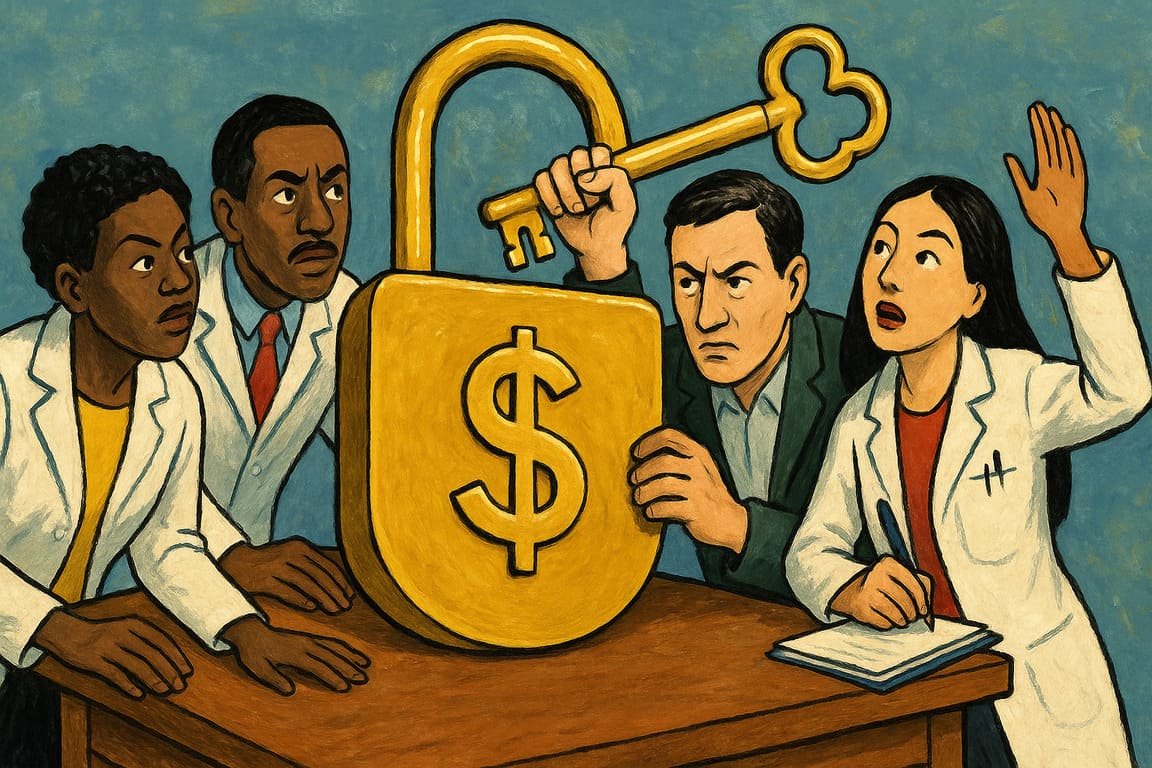
Under the glare of a flickering desk lamp, the would-be innovator hunches over a battered keyboard. Notes scrawl across napkins, outlines are etched on the back of receipts, and a half-drained mug of coffee cools beside a stack of rejection letters. All around, the world rushes by, oblivious to the tiny battle raging in this cramped room. Outside, research grants are mythologized—golden tickets for dreamers—but here, they’re survival. Each word is a wager. Each sentence, a quiet dare. The art of grant writing is no mere formality. It’s an act of audacity: a gamble to turn vision into reality when the odds seem rigged for someone else.
If you’ve ever wondered why the most brilliant ideas languish in notebooks, look no further than the fine print of funding calls. Grant writing is its own game, and the best players know the rules aren’t always fair. You face the paradox every day: the more urgent your project, the harder it can be to get heard. The pile of unread applications grows taller, while breakthroughs die quietly in the margins. But in every system, there’s a secret path. The researchers who win know how to make their pitch impossible to ignore.
Here’s the secret: funding isn’t just about science, it’s about story. The grant that lands isn’t always the most technical, but the one that makes funders care. You have to make them see it—feel it. A successful application pulses with urgency, stakes, and the sense that, if this project isn’t funded, something important will be lost. Dr. Yusuf Badawi, who raised millions for pandemic research, summed it up best: “Write so they’d rather be haunted by your absence than risk your success without them.”
You must know your audience. Funders aren’t blank slates. They have missions, biases, pet issues. If you want in, you study them like a rival team before the finals. The best proposals are never generic—they’re bespoke, tailored to the quirks and ambitions of the review panel. Look up past awards. Stalk their public talks. When you echo their priorities without parroting, you move to the front of the line.
Clarity beats jargon every time. Reviewers are busy, distracted, sometimes skeptical. Your opening sentence needs to hit like a cold shower. Don’t bury the lede. Show what’s at stake, then anchor your argument with specifics: who benefits, how, and why now? The details should paint a future so vivid, the reader feels left behind if they say no.
Originality is magnetic, but practicality wins. Yes, funders crave the next big thing, but only if it stands a chance of working. Show your plan is grounded: lay out milestones, risks, and what happens if things go wrong. “Funders don’t fear failure—they fear surprises,” jokes Ananya Rao, whose urban innovation grants have reshaped city policy. The winning application is bold but believable.
Numbers matter, but so does emotion. When you describe impact, skip the empty claims. Instead, bring in the voice of a real person who will benefit. Share a quote, a vignette, a moment. You’re not just listing deliverables; you’re building a bridge between a faceless committee and the living world your research will touch. Every review panel is made up of people who want to say yes. Help them feel safe doing so.
Budget isn’t a footnote; it’s the story’s backbone. Sloppy math or wishful thinking torpedoes trust. Show your homework. Justify each line: why this tool, this salary, this trip? Reviewers want proof you can handle money as carefully as you handle ideas. The strongest proposals look lean, focused, and ready to scale.
Timing is everything. The cycle of applications, decisions, and appeals is relentless. You need a rhythm. Set reminders, draft early, finish even earlier. Last-minute submissions reek of panic and are easy to spot. The veterans treat the process like training for a marathon—incremental, persistent, and always with an eye on the next prize.
Collaboration multiplies your odds. Funders love alliances: cross-discipline, cross-border, public-private. Bring in a partner with skills you lack, or a community group with local roots. The more your team looks like the world you want to change, the harder it is to turn you down.
Resilience is your shield. Rejection will sting. Most grants are won after a string of failures. Each “no” makes your story sharper, your pitch tighter, your resolve tougher. The true experts keep a notebook of every lesson, every reviewer comment, every near-miss. In time, that file becomes your playbook for future wins.
The hallway is empty, except for one applicant, clutching an envelope, pulse racing as footsteps echo closer. Each heartbeat is a memory of drafts abandoned, hopes rekindled, and countless nights rewriting the same line. Then, at last, a door opens—a committee member nods, the decision made. This isn’t just funding. It’s validation, a lifeline, and a little bit of magic for those who refuse to quit.
In the hush that follows, ideas come alive. Somewhere, someone believes enough to bet on you. The future swings wide.
Will you step through and claim what’s yours?
