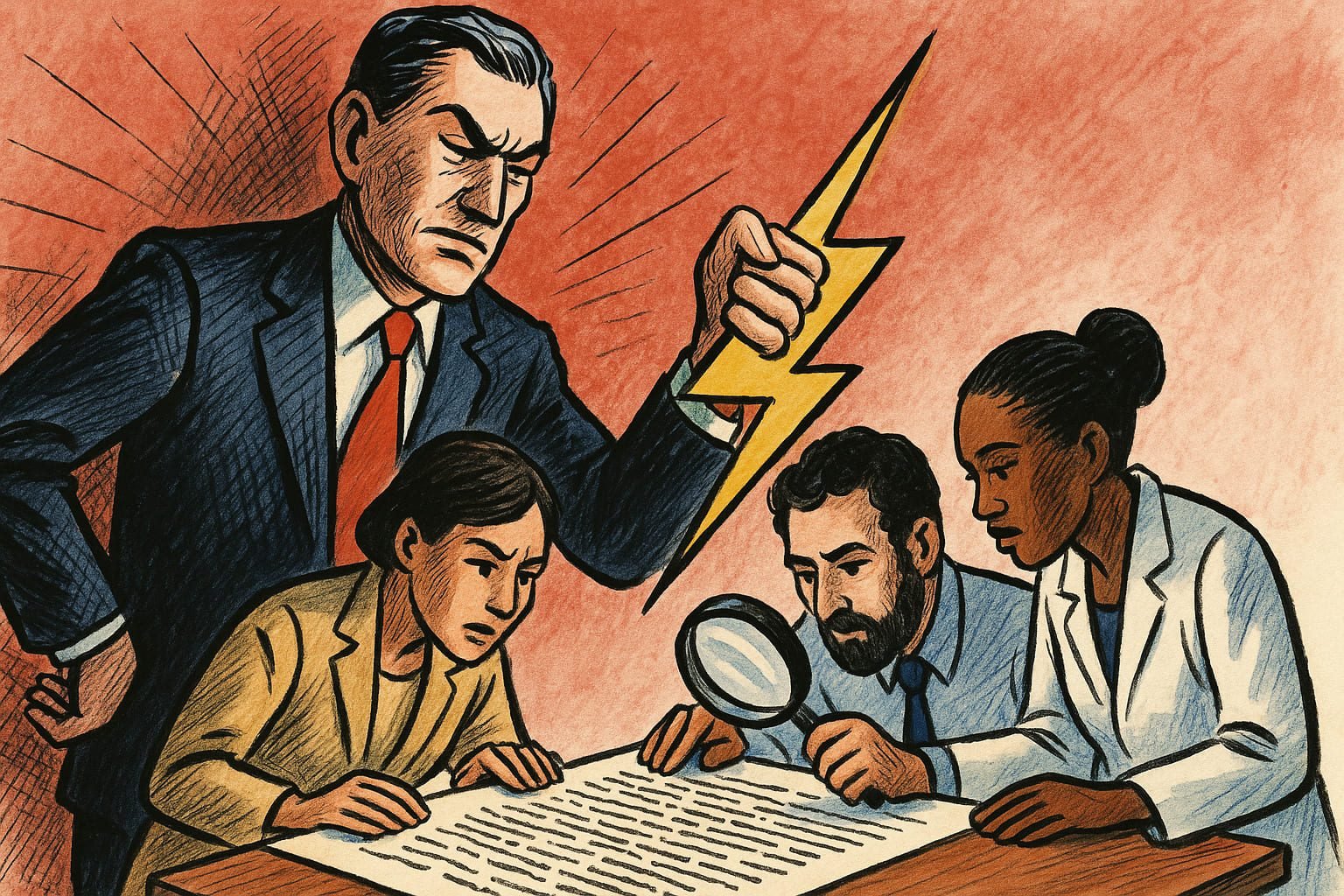
Ever felt like your company is stuck on autopilot, barreling down a highway built by someone else’s rules? Imagine discovering a hidden map; one so secret, even your fiercest competitors don’t know it exists. That’s the power of research. True, deep, relentless research is the difference between companies that merely survive and those that break the chains, bend the market, and become legends. Today, most leaders chase the latest trends, gobble up surface-level data, and slap “innovation” labels on recycled ideas. But the few; those daring enough to turn every stone, challenge every assumption, and bet on knowledge; unlock corporate power others only dream of. If you’re tired of cliches, hungry for transformation, and ready to see what relentless curiosity can do for your organization, keep reading. The story you’re about to enter is messy, unpredictable, and profoundly human. And it just might be your organization’s ticket out of mediocrity.
Quick Notes
- Rethink What Power Really Means: Corporate strength isn’t found in big budgets or brute force; it’s forged in the crucible of research-driven insight that rewrites the playbook.
- Break the Mold with Curiosity: Transformation demands a culture that prizes tough questions, fresh perspectives, and the courage to look silly before getting smart.
- Real Growth Isn’t an Accident: The companies that grow fastest are those obsessed with research; not just numbers, but also stories, behaviors, and deep trends.
- Survival Is About Adaptation: Organizations that weaponize research to sense, pivot, and reinvent at speed are the ones that turn crises into springboards.
- Transformation Starts with One Brave Step: Every industry giant was once a company that said, “What if we tried this?” The difference is, they followed through; armed with research, not gut feelings alone.
Shattering Illusions: Why “Power” Is an Outdated Corporate Myth
Power in business has always been a seduction. For decades, the myth was simple: whoever shouts the loudest, hires the best, or floods the market with cash will own the crown. The reality is much grittier and far more fascinating. It’s the quiet observer, not the showman, who often rewrites the rules. Consider Netflix’s early days. While Blockbuster was flexing muscle with real estate and aggressive ads, Netflix was quietly studying user habits and DVD return rates. It was the unglamorous, patient research into what people really wanted that led to a streaming revolution and left a corporate behemoth in the dust.
The illusion of corporate power is dangerously comfortable. It lulls executives into believing past glory guarantees tomorrow’s wins. Yet every decade, graveyards of one-time titans grow larger. Remember when Nokia seemed invincible? They boasted about their global reach while missing the subtle behavioral shifts that made smartphones inevitable. Real power; enduring, unassailable power; comes from relentless learning, not just relentless doing.
Many leaders fear research because it exposes weaknesses and disrupts certainty. But true leaders are those who crave discomfort. They see research as an invitation to find the blind spots, not an indictment of failure. In 2020, Patagonia pulled dozens of best-selling products after internal research showed supply chain risks. It stung in the short run, but won long-term loyalty and trust. The myth that boldness means never doubting yourself is just that; a myth.
What research truly offers is not just knowledge, but leverage. It’s the lever that moves markets, the scalpel that slices through dogma, the mirror that never lies. When Dollar Shave Club exploded onto the scene, it wasn’t with a new razor, but with a research-fueled insight: men hated the buying experience. Every quirky ad, every product tweak, came from studying real pain points, not copying the giants.
If power still means outspending and outmuscling, why do so many giants fade overnight? Because true transformation is sparked by what you know; especially what you know that others don’t. Research is the antidote to arrogance and the engine of new legends. The question isn’t, “Are you powerful enough?” but, “Are you learning fast enough?”
The Research Mindset: Cultivating Curiosity That Can’t Be Faked
Every organization says they value curiosity. Few prove it. Curiosity isn’t an HR poster or a “disruptive” brainstorming session; it’s a daily practice of asking, doubting, and refusing easy answers. Take the story of Pixar’s creative meetings. Employees, from janitors to animators, are invited to critique films in progress, not out of tradition, but because company leaders know breakthroughs never come from echo chambers. The research mindset is built on a radical respect for the unknown.
Genuine curiosity has a way of making even the most seasoned experts nervous. It asks, “What if we’re wrong?” and “What are we missing?” At Apple, Steve Jobs once threw out a nearly complete prototype after a minor flaw emerged during a late-night testing session. The relentless pursuit of “Why not?” even when uncomfortable; was the secret behind decades of breakthroughs. Research isn’t just about gathering data; it’s about honoring the process of discovery, even when it means losing sleep or starting over.
Curiosity isn’t just a personality trait; it’s a culture that can be trained. At IDEO, a design company famous for human-centered innovation, teams regularly shadow customers at home, at work, and everywhere in between. Watching a customer struggle to open a childproof medicine bottle sparked an entire redesign of packaging for a major pharmaceutical brand. That moment of empathy; witnessed, not theorized; became the spark for a multimillion-dollar product launch.
Leaders often confuse curiosity with chaos. But in truth, curiosity brings discipline. It means having the humility to test, to listen, and to adapt, even when your own ideas are on the line. Procter & Gamble’s famed “Connect + Develop” program exists because internal research proved outsiders sometimes have better ideas. Curiosity opens doors not just to fresh ideas, but to profitable partnerships and lifelong fans.
Case in point: Spotify’s obsession with user data led them to discover listeners skipped certain songs within the first ten seconds. Instead of blaming the algorithm, they asked what the skips meant; leading to better playlists and the now-ubiquitous “Discover Weekly.” When curiosity runs the show, research becomes the ultimate superpower. The bottom line? Faking curiosity is impossible. Either your company is always learning, or it’s already falling behind.
Data-Driven Growth: The Secret Weapon That Silences Doubt
Growth isn’t magic. It’s a side effect of relentless attention to research; the kind that stares at ugly truths and gleans insights from the noise. Consider Lego’s near-bankruptcy. Their turnaround came not from boardroom brainstorming, but from in-depth field research with children and parents. They realized adults misunderstood the product’s emotional value, so they doubled down on what kids actually loved: imagination, not instruction manuals. That single insight; earned through boots-on-the-ground research; reversed a downward spiral and sparked an empire.
Too often, companies drown in numbers but die of ignorance. Raw data is everywhere, but stories are rare. Great research demands a willingness to ask why the numbers look the way they do. Nike’s famous decision to embrace direct-to-consumer channels wasn’t a lucky guess. It was a response to mountains of research showing shifting consumer loyalty and frustration with retail intermediaries. Acting on these findings, they built an ecosystem where customers felt heard and valued, not just sold to.
Research-driven growth doesn’t just patch problems; it rewrites the narrative. Take Peloton’s rise: by listening to user communities and studying exercise habits, the company created products that felt custom-built for its audience’s lives. Instead of a generic gym alternative, Peloton became a movement. Every growth leap was mapped by research, not wishful thinking. They built trust by turning audience feedback into company gold.
Yet, research is only powerful when it inspires action. Dropbox started with a simple explainer video and watched as signups soared. Instead of ramping up production, they watched, learned, and iterated. Their legendary growth curve wasn’t a happy accident; it was the product of careful measurement, rapid response, and courage to tweak the formula constantly. Real growth leaders make research the default, not the afterthought.
Doubt is a constant companion in any ambitious organization. But companies that embrace research use it as fuel, not friction. When in doubt, test. When confident, verify. When lost, listen. The most resilient brands aren’t those that never doubt themselves, but those that never stop learning from their doubts. The question is, are you using research to grow or just to justify decisions you’ve already made?
Adapt or Vanish: Turning Research Into Rapid Reinvention
The business world punishes those who can’t adapt. Even the greatest strategies, when left unchecked, become obsolete. Think of Kodak; once synonymous with photography, ultimately undone by its refusal to act on research about digital disruption. Their own scientists had invented the digital camera, yet leadership ignored the writing on the wall. The real tragedy wasn’t the invention; it was the missed opportunity to reinvent before the market forced their hand.
Organizations that thrive treat research like a survival instinct. During the COVID-19 pandemic, small restaurants in cities like New York and London pivoted overnight from dine-in experiences to meal kits and virtual cooking classes. The restaurants that survived weren’t necessarily the biggest or best funded; they were the most alert, the quickest to learn, the fastest to test new ideas. Each adaptation was guided by real-time research: customer surveys, social listening, and neighborhood trends.
Rapid reinvention isn’t about chasing every trend, but about learning fast enough to distinguish signal from noise. Southwest Airlines built a reputation for low fares and cheerful service. But when customer feedback began signaling a shift toward premium experiences, the company doubled down on what made them unique. They didn’t abandon research; they leaned in, listening harder than ever, and made sure their adaptations strengthened, not diluted, their identity.
A culture of adaptation starts at the top. Microsoft’s transformation under Satya Nadella began with a single mantra: “Listen more, talk less.” His leadership team made research-driven listening a core competency, encouraging employees to bring fresh data to the table and challenge the status quo. The result? New business lines, improved morale, and a renewed sense of relevance in an industry notorious for rapid change.
Mini-case studies abound. Consider Warby Parker’s early days: their research into why people avoided buying glasses online led to the innovative Home Try-On program. It was risky, unconventional, and demanded swift adaptation, but it turned a niche startup into a beloved brand. The lesson? When companies treat research as a daily habit, reinvention becomes a reflex; not a last resort.
Beyond Gut Instinct: Building a Legacy That Outlives You
Gut feelings are seductive. They feel like shortcuts to genius. But legends aren’t built on luck; they’re built on relentless inquiry. Walt Disney famously walked the grounds of Disneyland before construction, studying guest reactions and looking for delight or frustration in every corner. His obsession with research was the heartbeat of every Disney innovation, from park rides to film scripts. It’s not magic. It’s method, repeated endlessly.
True legacies aren’t accidental. They are crafted with intention, insight, and the humility to know that even the most visionary leaders can miss what’s right in front of them. Howard Schultz returned to Starbucks and took weeks visiting stores, talking to baristas, and listening to regulars before making a single big decision. His legacy wasn’t just coffee. It was a research-powered culture where listening and acting became the company’s secret ingredient.
Building a lasting legacy demands more than innovation. It demands stewardship; a willingness to pass the torch, share the knowledge, and teach curiosity as a core skill. Zappos’ legendary customer service wasn’t a slogan, but the result of constant research into what customers actually wanted, paired with the autonomy to act on those insights. The founder, Tony Hsieh, didn’t just build a company. He built a movement around research-fueled empathy.
The most enduring organizations make research a ritual, not a phase. They invest in learning, protect time for inquiry, and celebrate every discovery, big or small. Whether it’s Mayo Clinic’s commitment to patient experience or Unilever’s drive to understand environmental impact, the lesson is clear: research is the legacy you leave when the spotlight dims.
The last word is simple: transformation powered by research isn’t just a strategy; it’s an inheritance. It’s the difference between being remembered as a clever operator or as a builder of something that truly mattered. Legacy isn’t found in the corner office. It’s found in the questions you dared to ask, the lessons you bothered to learn, and the courage to let research shape your path.
Ignite Your Company’s Future: One Bold Question at a Time
Imagine waking up tomorrow and realizing that the rules you thought were written in stone are actually made of sand. Every legendary company you admire; Apple, Netflix, Pixar, Patagonia; didn’t get there by trusting their gut alone. They got there by questioning everything, doubling down on research, and refusing to accept yesterday’s answers. The map to corporate power isn’t hidden; it’s just ignored by those too proud to admit they don’t have all the answers. You now know the secret. You hold the match. The question is, will you strike it?
True transformation starts with a single, uncomfortable question. Will your company rise as the one that outlearns, outlistens, and outlasts or join the long list of giants who got too comfortable to adapt? The choice is yours, and the next chapter could be the one that turns your story into a legend. So here’s your challenge: What’s the question you’re too afraid to ask? Go ask it. Your company’s future may depend on the answer.
