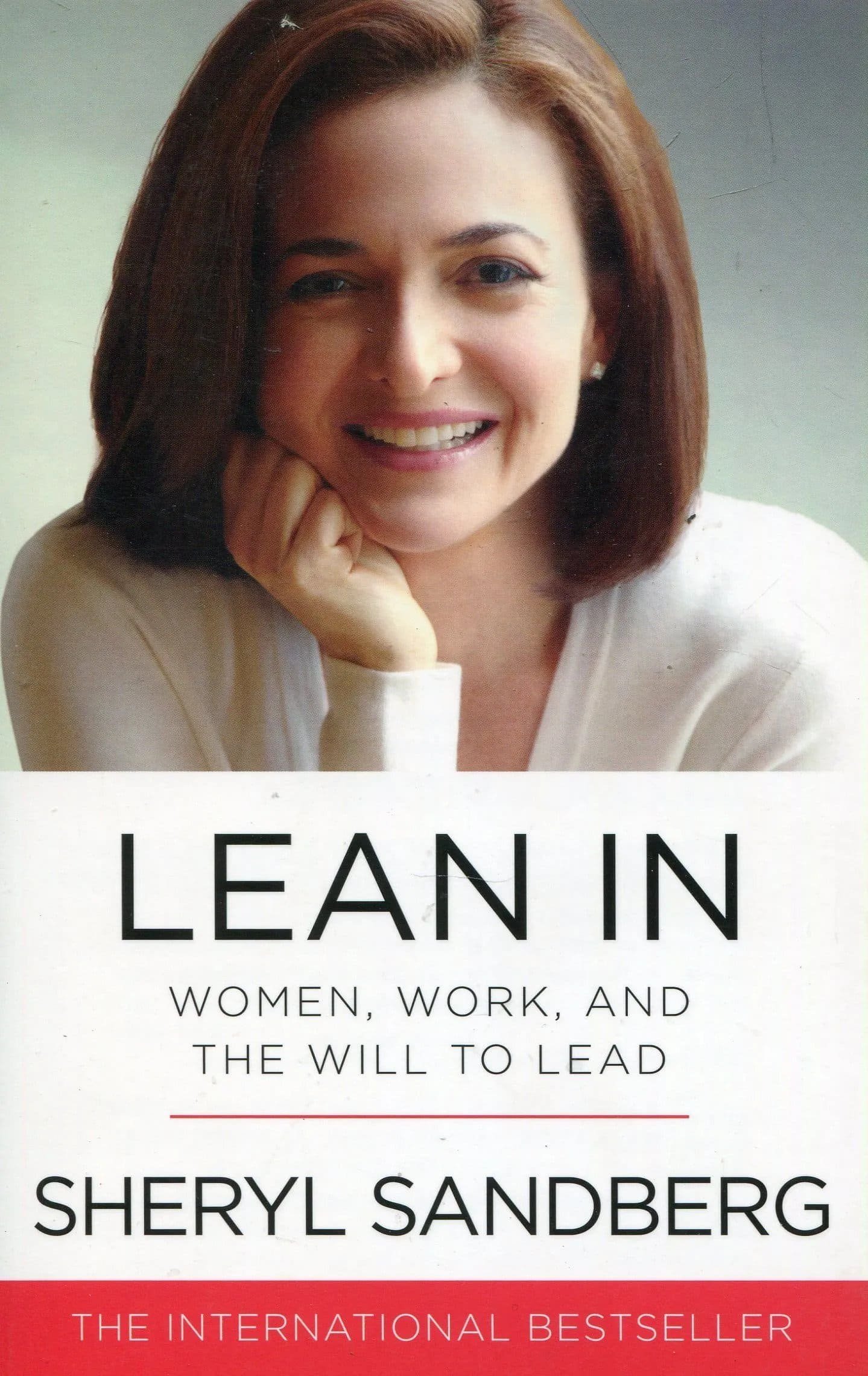
When “Lean In” hit bookshelves in 2013, it didn’t just whisper to women in the workforce—it roared. Sheryl Sandberg, the then-COO of Facebook, didn’t write a polite manual about breaking glass ceilings. She wrote a manifesto that called out the invisible walls women didn’t even realize were hemming them in. Whether you loved it, loathed it, or winced your way through it, the book refused to be ignored. It became a cultural litmus test: are you leaning in or standing still?
For decades, the feminist conversation felt like it simmered quietly beneath boardroom tables and behind office doors. “Lean In” dragged that dialogue into the spotlight with unapologetic force. Sandberg’s call to action? For women to reclaim their ambition without apology, guilt, or societal conditioning. The message wasn’t delicate. It was direct: if you want a seat at the table, pull up a damn chair and own it.
Of course, not everyone clapped. Critics pounced, arguing that Sandberg spoke from a perch of privilege, her advice out of touch with working-class realities. And they weren’t wrong. But even if the messenger lived in a corner office, the message still struck a universal nerve. This was about confronting the hard truth: the workplace was never designed with women in mind. Sandberg simply held up the mirror.
Beyond the headlines and heat, what makes “Lean In” unforgettable is how personal it feels. It isn’t some sanitized corporate how-to. Sandberg shares missteps, insecurities, and tears. She isn’t just telling you to lead; she’s showing you how she stumbled into leadership herself. It’s that raw honesty that grabs you by the collar.
“Lean In” didn’t offer fairy dust. It offered friction; the kind that ignites change. And in doing so, it challenged millions to examine not just where women stand in the workforce, but why they’re still standing alone.
Quick Notes: 5 Unskippable Takeaways That Reshape Everything You Thought About Women and Work
- Ambition isn’t a dirty word for women: Sandberg dismantles the cultural discomfort with ambitious women and argues that career drive should be celebrated not suppressed.
- The leadership gap is rooted in internal and external barriers: From systemic bias to self-doubt, women face layered challenges that require both structural reform and inner conviction.
- Sit at the table; literally and figuratively: Too often, women shy away from leadership roles or downplay achievements. Sandberg insists it’s time to claim space and speak up.
- Mentorship and sponsorship are game changers: Professional support isn’t just helpful; it’s critical. Women need champions who elevate their voices in rooms where decisions are made.
- Make your partner a real partner: Equality at home is a prerequisite for equality at work. Sandberg argues that household balance is a feminist issue, not just a domestic one.
Owning the Room: A No-Fluff Summary that Cuts to the Core
“Lean In” opens with a reality check: women are not making it to the top of any industry; not in politics, not in corporate America, and not in entrepreneurship. Sandberg doesn’t sugarcoat the numbers. Instead, she explores why this persistent leadership gap exists, despite decades of progress. Through a mix of personal anecdotes and hard data, she exposes both the internal beliefs women carry and the external obstacles they face.
One central idea is that women systematically underestimate their abilities. Sandberg recounts stories from her own career; times she second-guessed herself or stayed silent in meetings; highlighting how even the most accomplished women fall into the “impostor syndrome” trap. This psychological hurdle is deeply entwined with how society expects women to behave: agreeable, modest, self-sacrificing. And it’s killing ambition.
She also explores the idea of “the leadership ambition gap,” a social pattern where girls are conditioned to be liked rather than to lead. Sandberg writes about how leadership traits celebrated in men are often punished in women. A woman who negotiates assertively? Bossy. A man who does the same? Confident. The double standard isn’t just frustrating; it’s professionally lethal.
Then comes the work-life tightrope. Rather than telling women to “have it all,” Sandberg explains why perfectionism is a prison. She shares her own experience with motherhood, describing the guilt, the juggling, and the judgment. Her message? Women should stop leaning back before they even have to. Too many step away from opportunities before they even become parents, anticipating conflict that may never come.
Finally, she calls for a collective shift. This isn’t a solo battle. Sandberg emphasizes that men must be part of the conversation. From hiring practices to boardroom dynamics to diaper duty, gender equality needs male allies. Change, she argues, isn’t about one woman getting a promotion; it’s about building a world where every woman has the chance to try.
Career Clarity and Courage: 5 Lessons That Reshape Ambition
1. Self-Doubt Doesn’t Discriminate: Sandberg’s confessions about her own fears prove that insecurity doesn’t vanish with a high salary or job title. Women need to stop waiting for permission to speak. Confidence is not about always being right; it’s about daring to show up even when you’re unsure. “Fake it till you feel it” isn’t just a mantra; it’s a survival skill.
2. Done Is Better Than Perfect: Perfectionism is portrayed as an enemy of progress. Sandberg challenges women to let go of the fantasy of flawless performance. Progress is messy. Leadership is imperfect. If women keep waiting to be “ready,” they’ll wait forever. Success comes to those who act even when the conditions aren’t ideal.
3. Speak Up, Even if Your Voice Shakes: From boardrooms to brainstorming sessions, too many women silence themselves. Sandberg insists that having a seat at the table is meaningless unless you use your voice. And when you do speak up, do it boldly. Don’t preface your ideas with apologies. Don’t hedge. Don’t shrink. Own your brilliance.
4. Rethink Success: Success isn’t linear, and it certainly isn’t one-size-fits-all. Sandberg introduces the concept of a “jungle gym” rather than a corporate ladder. Careers take strange detours, and that’s okay. What matters is curiosity, adaptability, and grit. The straight path is a myth. Permission to pivot? Granted.
5. Equality Starts at Home: The professional ambitions of women are often stunted by unequal domestic expectations. Sandberg challenges couples to divide household duties and child-rearing equally. When men share the load at home, women can soar at work. That’s not feminism; it’s just fair.
What ‘Lean In’ Gets Right and Where It Stumbles
One of the book’s biggest strengths is how unapologetically personal it is. Sandberg doesn’t lecture from a mountaintop; she gets in the trenches with her readers. From recounting crying in a bathroom stall to describing how she negotiated salary at Google, she writes with emotional intelligence and humility.
The clarity and accessibility of her language also make this book stand out. It’s not buried in academic jargon or consultant-speak. You don’t need an MBA to grasp her points; just a pulse and a job. Whether you’re a junior analyst or a CEO, the narrative resonates on a deeply human level.
However, the book isn’t flawless. One recurring critique is that it centers on privileged women. Sandberg’s advice, while powerful, often assumes access to support systems; nannies, flexible work policies, understanding managers; that many women simply don’t have. She acknowledges this gap, but sometimes the acknowledgment feels like a footnote, not a full reckoning.
Still, dismissing the book entirely because of that would be a mistake. “Lean In” is a call to awareness, not a universal prescription. It doesn’t solve all workplace inequalities, but it does start the conversation in a way few books have managed. That alone is revolutionary.
It also opened the door for new feminist voices. After “Lean In,” there was a surge of follow-up literature addressing its blind spots: race, class, and global issues. In a way, Sandberg cracked the ceiling so others could shatter it. That legacy can’t be underestimated.
About the Authors
Sheryl Sandberg is a trailblazing force in Silicon Valley, best known as the former Chief Operating Officer of Meta (formerly Facebook). Before taking on the tech world, she served as Chief of Staff to the U.S. Secretary of the Treasury and held a VP role at Google. Educated at Harvard, Sandberg’s resume alone commands attention but her real power lies in how she uses her influence to spark meaningful dialogue about gender, leadership, and equity. “Lean In” wasn’t just a book; it was a movement, spawning Lean In Circles in over 180 countries and shifting how corporate leaders think about diversity.
Co-author Nell Scovell, though less spotlighted, brought storytelling magic to the project. A veteran TV writer and producer, her credits span iconic shows like The Simpsons, Murphy Brown, and NCIS. As a writer with sharp wit and cultural insight, Scovell infused “Lean In” with clarity and narrative elegance that kept the prose both punchy and persuasive. The Sandberg-Scovell partnership was a powerhouse blend: one brought the battle scars of boardrooms, the other the finesse of storytelling. Together, they didn’t just write a book; they lit a torch.
Disclaimer
Note that the ideas and content in the book are solely from the Author of the book and not the ESYRITE Editorial Team. All opinions expressed in this book review are entirely from the ESYRITE Editorial Team. This review may contains affiliate links, meaning ESYRITE may earn a small commission if you make a purchase through these links, at no additional cost to you.
